Adelaide Sleep Study Cost: How Medicare Rebates Apply
This guide explains the typical cost ranges in Adelaide and how Medicare usually works, so they can estimate their out-of-pocket cost with fewer surprises.
What does a sleep study usually cost in Adelaide?
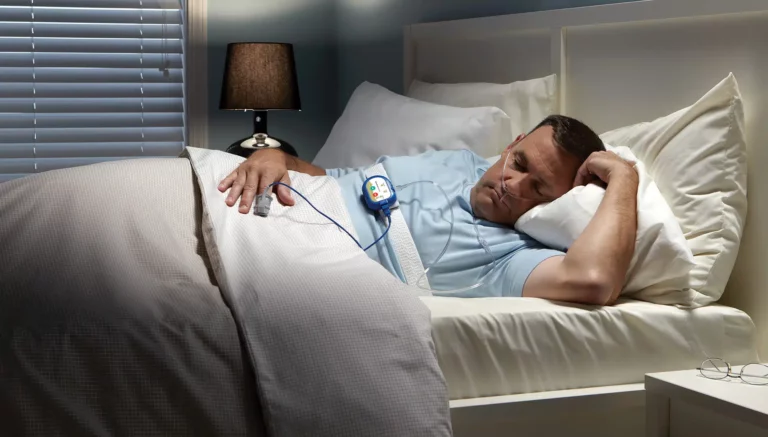
Most people researching Adelaide sleep study cost find they may pay anywhere from a few hundred dollars to a few thousand dollars, depending on the study type and where it is done. In general, home sleep tests cost less than laboratory studies, but they can be less comprehensive.
As a rough guide, Adelaide pricing commonly falls into these bands:
- Home sleep test (HSAT): often $250 to $700
- In-lab polysomnography (PSG): often $1,200 to $3,000+
- Specialist consults (before or after): often $150 to $400+ per appointment
Exact pricing depends on inclusions like reporting, follow-up, equipment, and whether the provider bills Medicare directly.
What is the difference between a home sleep test and an in-lab sleep study?
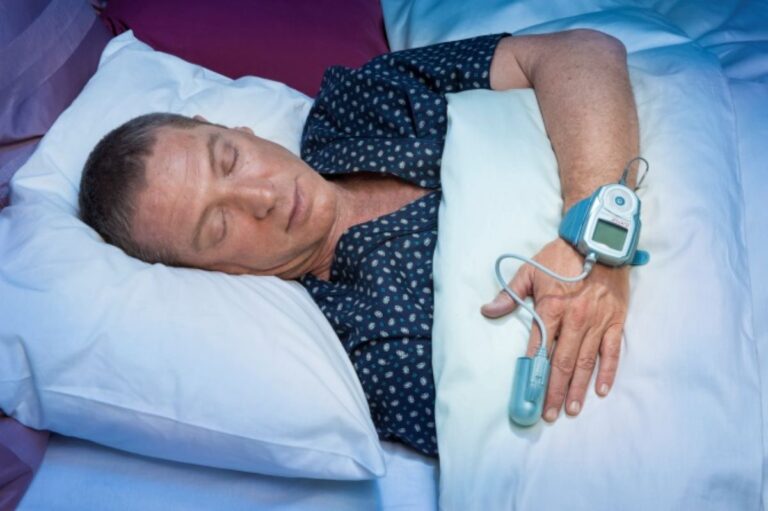
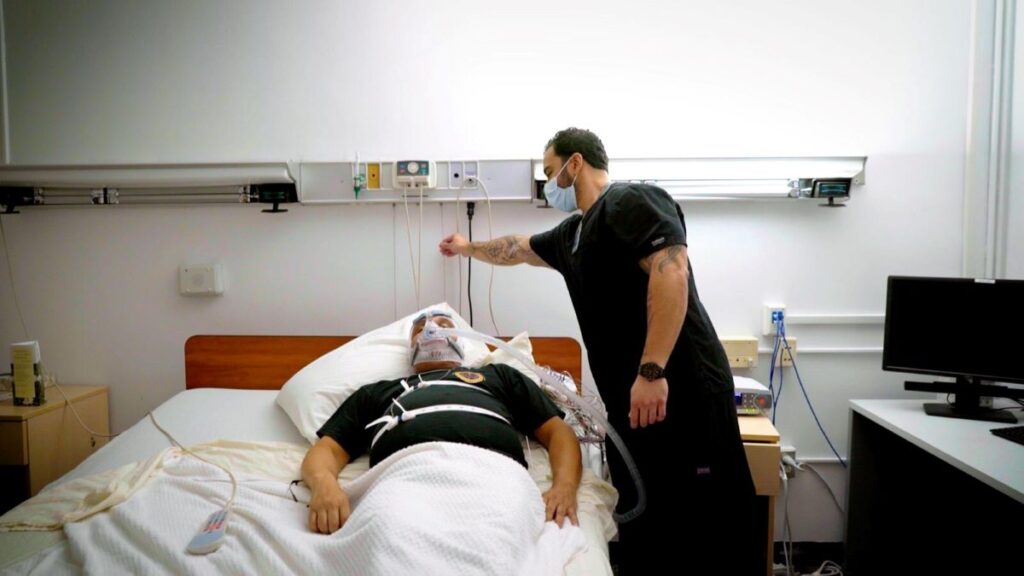
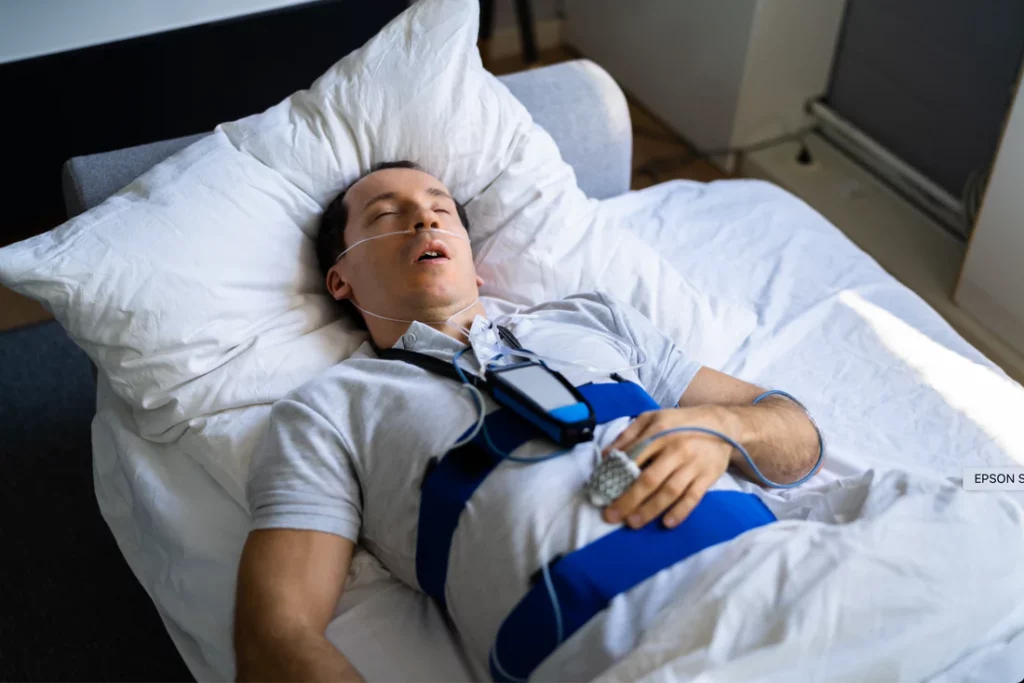
A home sleep test is typically designed to detect obstructive sleep apnoea using a small portable device, while an in-lab study records a much wider set of measurements under supervision. The in-lab option is usually recommended when symptoms are complex, when there is concern about other sleep disorders, or when a home test result is unclear.
Home testing is often cheaper and quicker to arrange. In-lab testing is usually more expensive because it includes overnight staffing, specialised equipment, and more detailed monitoring.
When do Medicare rebates apply to sleep studies?
Medicare rebates usually apply when the sleep study is medically necessary and arranged through appropriate medical pathways, such as via a GP referral to a sleep physician or a clinic that can bill under the relevant Medicare item numbers. If they self-refer to a private provider offering direct-to-consumer testing, Medicare often will not apply.
In practical terms, Medicare involvement usually depends on these factors:
- A clinician assesses symptoms and decides a study is needed
- The study type matches clinical guidelines for the suspected condition
- The provider can claim Medicare for the service
- Any required documentation and referrals are in place
Rules can be strict, so they should ask the clinic upfront whether Medicare billing is available for their exact situation.
Do they need a GP referral to get a Medicare rebate?
In most cases, yes, they should expect to need a GP referral to enter the Medicare-supported pathway. A referral helps document medical need and usually connects them to a sleep physician or service that can claim Medicare rebates appropriately.
Even when a referral is not strictly required by a provider, having one is often the difference between a “private fee” service and a Medicare-rebatable service.
How much does Medicare actually reimburse for a sleep study?
Medicare does not usually “pay the full price” people see advertised by private clinics. Instead, Medicare pays a benefit based on item numbers, and the provider may charge above that amount, leaving a gap.
Because rebate amounts can change and billing depends on item numbers and provider type, the most reliable approach is for them to request a written quote that shows:
- the total fee
- the expected Medicare benefit (if any)
- the estimated out-of-pocket gap
If a clinic offers bulk billing for part of the process, it can reduce costs, but bulk billing is not guaranteed.
What out-of-pocket costs should they plan for beyond the test itself?
They should budget for more than the overnight test, because diagnosis is often only step one. Many people will also pay for consults and treatment setup, which can be significant.
Common additional costs include:
- initial and follow-up sleep specialist appointments
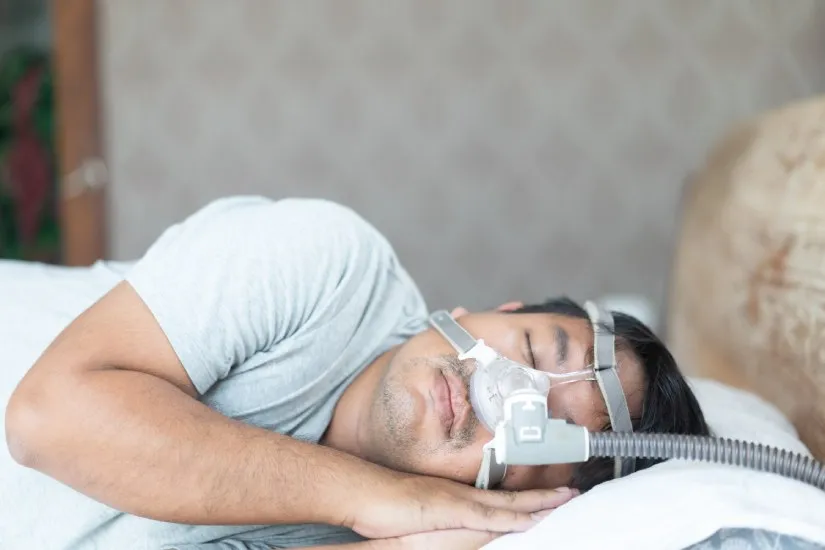
- CPAP trial, hire, or purchase if obstructive sleep apnoea is diagnosed
- mask fittings and ongoing consumables
- repeat studies if results are inconclusive or therapy needs reassessment
A cheaper initial test can still lead to higher total costs if follow-up care is fragmented or not included.
Can private health insurance reduce the cost in Adelaide?
Private health insurance may reduce costs for in-hospital or approved in-lab studies, but it depends heavily on their level of cover, waiting periods, and whether the facility has an agreement with their fund. Some policies do not cover outpatient sleep testing at all.
They should ask their insurer:
- whether sleep studies are covered under their policy
- whether an excess or co-payment applies
- which Adelaide hospitals or labs are “in network”
- whether the sleep physician’s fees are separate
It is also common for Medicare and private insurance rules to interact, so they should confirm how both will be billed.
What questions should they ask an Adelaide clinic before booking?
They can avoid most billing surprises by asking direct questions before they commit. Clinics vary in what they include, how they bill, and how quickly results are delivered.
Key questions to ask:
- Is this test eligible for Medicare, and will they handle the claim?
- What is the total price, and what is the estimated gap?
- Are consults included, or billed separately?
- Who interprets the study, and when will the report arrive?
- If results are unclear, is a repeat test discounted or included?
- If CPAP is recommended, are they pushed into a specific supplier?
Clear answers usually signal a provider that is used to transparent billing.
How can they lower their sleep study costs without cutting corners?
The lowest price is not always the lowest overall cost, especially if it leads to delays or repeat testing. The goal should be to reduce waste, not reduce clinical quality.
Common ways people reduce cost include:
- starting with a GP visit and using a Medicare-supported pathway where appropriate
- comparing itemised quotes from multiple providers in Adelaide
- checking if a public hospital clinic is an option, if waiting times are acceptable
- confirming exactly what is included in “package” pricing
- avoiding add-ons that do not change diagnosis or treatment decisions
If they are unsure what type of study they need, a proper clinical assessment usually saves money long-term.
What is the simplest way to estimate their personal cost?
They can estimate their likely cost by matching their situation to a pathway and requesting an itemised quote. Most uncertainty comes from assuming Medicare will cover a private clinic’s advertised price.
A practical checklist is:
- They get a GP assessment and referral if symptoms suggest sleep apnoea.
- They ask the clinic whether Medicare applies to their test type.
- They request a written quote showing total fee, rebate, and gap.
- They confirm whether specialist consults are separate charges.
That combination usually produces a realistic “out-of-pocket” figure before they book.
FAQs (Frequently Asked Questions)
What is the typical cost range for sleep studies in Adelaide?
In Adelaide, the cost of sleep studies varies widely depending on the type of study. Home sleep tests (HSAT) usually cost between $250 to $700, while in-lab polysomnography (PSG) studies often range from $1,200 to over $3,000. Specialist consultations before or after testing typically cost between $150 to $400 per appointment.
How do home sleep tests differ from in-lab sleep studies?
Home sleep tests are portable devices designed primarily to detect obstructive sleep apnoea and are generally less expensive and quicker to arrange. In contrast, in-lab sleep studies involve overnight monitoring with specialized equipment and staff supervision, providing a more comprehensive assessment suitable for complex symptoms or unclear home test results.
When are Medicare rebates applicable for sleep studies in Adelaide?
Medicare rebates usually apply when the sleep study is medically necessary and arranged through appropriate medical pathways such as a GP referral to a sleep physician or accredited clinic. The provider must be able to bill Medicare under relevant item numbers, and all required documentation and referrals must be in place. Self-referral or direct-to-consumer tests often do not qualify for Medicare rebates.
Is a GP referral required to access Medicare rebates for sleep studies?
Yes, typically a GP referral is needed to enter the Medicare-supported pathway for sleep studies. The referral documents medical necessity and connects patients with sleep physicians or clinics that can claim Medicare rebates. Without a referral, services may be considered private fee-for-service without Medicare coverage.
What out-of-pocket expenses should patients expect beyond the initial sleep test?
Beyond the overnight test, patients should budget for additional costs such as initial and follow-up specialist consultations, CPAP trials or purchases if obstructive sleep apnoea is diagnosed, mask fittings, consumables, and potential repeat studies if results are inconclusive or therapy needs reassessment. These costs can add significantly to the total expense of diagnosis and treatment.
Can private health insurance help reduce the cost of sleep studies in Adelaide?
Private health insurance may reduce costs for in-hospital or approved in-lab sleep studies depending on the level of cover, waiting periods, and agreements with facilities. Coverage varies widely; some policies exclude outpatient testing altogether. Patients should check with their insurer about coverage details, any excess or co-payments, network providers in Adelaide, and how private insurance interacts with Medicare billing.
See Also: Canberra sleep study cost: what you’ll pay in 2026.