
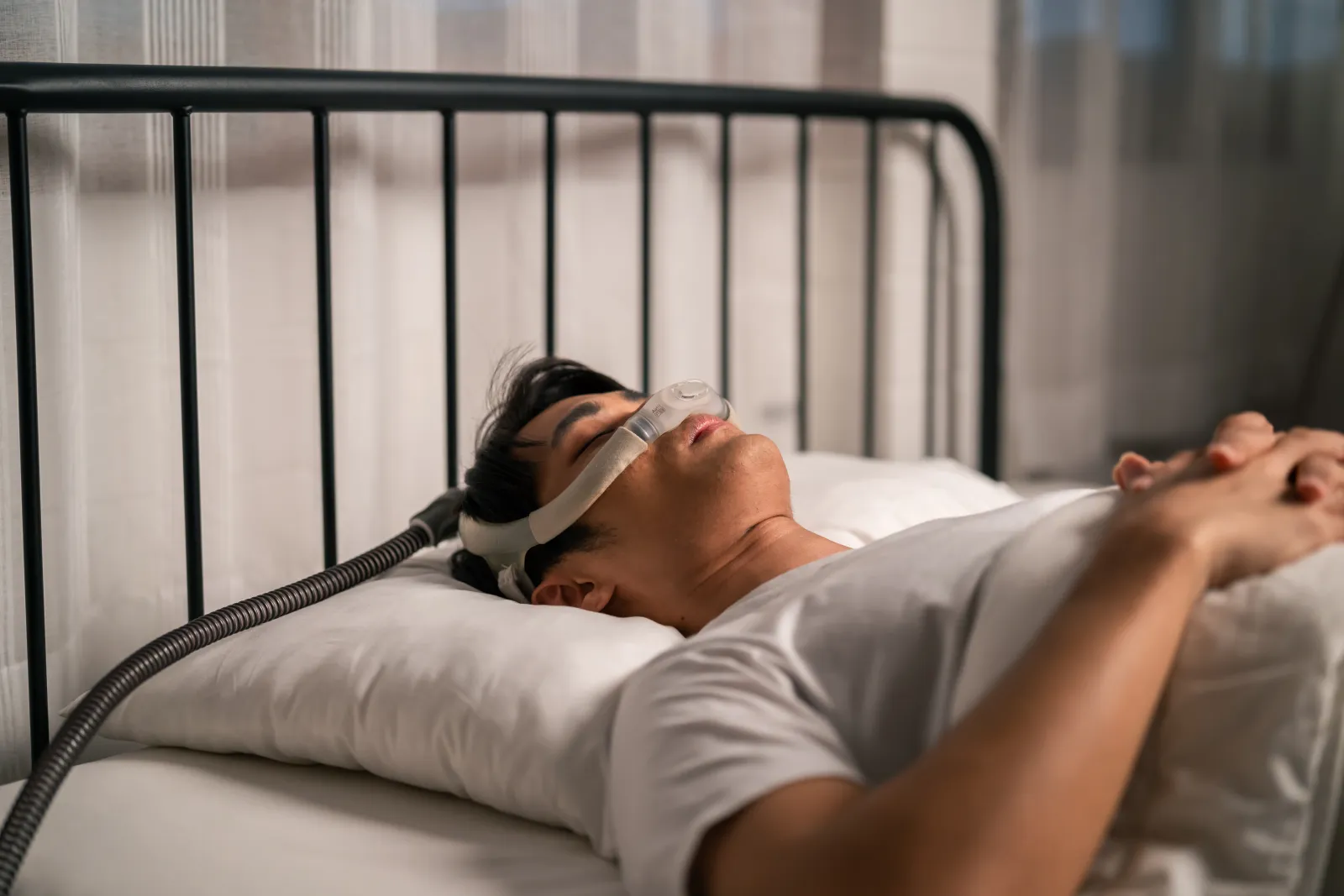
Best CPAP Masks for Sensitive Skin: Memory Foam vs. Silicone in 2026
If you wake up every morning with a “CPAP face”—those stubborn red marks, itchy rashes, or bridge-of-the-nose sores—you aren’t alone. For many Australians, the struggle with CPAP therapy isn’t the air pressure; it’s the skin irritation. As we move into 2026, the technology behind CPAP interfaces has evolved to prioritize dermatological health, offering specialized solutions for those with reactive skin.
Choosing the best CPAP masks for sensitive skin involves a critical choice: the adaptive comfort of memory foam versus the traditional durability of silicone. This guide breaks down the 2026 landscape, comparing the ResMed AirTouch series, innovative cloth options like SleepWeaver, and the latest silicone hybrids to help you achieve a leak-free, rash-free night.
The Science of CPAP Skin Irritation: Why Your Mask Causes Rashes
Skin irritation from CPAP therapy, often referred to as CPAP dermatitis, typically stems from three factors: friction, moisture trap, and material sensitivity.
- Friction: The constant micro-movements of a mask against the skin can cause chafing, especially if the straps are over-tightened to prevent leaks.
- Moisture Trap: Silicone is non-breathable. Sweat and oils trapped under a silicone seal create a breeding ground for bacteria, leading to breakouts and heat rashes.
- Material Allergies: While rare, some users have a genuine contact allergy to the curing agents used in medical-grade silicone.
In the Australian climate, where humidity and heat can vary wildly from Melbourne to Darwin, managing the “micro-environment” under your mask cushion is essential for long-term compliance.
See more: Sleep Apnea Test Adelaide vs Home Sleep Study: Which Is More Accurate?
Memory Foam vs. Silicone: Which is Better for Sensitive Skin?
The debate between memory foam vs. silicone is no longer just about comfort; it’s about how the material interacts with your skin’s biology.
Memory Foam: The “Ultra-Soft” Alternative
The ResMed AirTouch™ series (including the F20 and N20) pioneered the use of UltraSoft™ memory foam. Unlike silicone, which relies on a suction-like seal, memory foam creates a breathable, permeable barrier that conforms to your unique facial contours.
- Pros: Wicks away moisture, reduces pressure points on the nasal bridge, and feels “plush” against the skin.
- Cons: Cannot be washed with water (must be wiped); requires monthly replacement as the foam absorbs oils over time.
Silicone: The Durable Standard
Traditional masks like the ResMed AirFit™ F20 or the Fisher & Paykel Vitera use medical-grade silicone.
- Pros: Highly durable, easy to sanitise with warm soapy water, and generally more cost-effective over six months.
- Cons: Non-breathable; can cause “sweat pooling” and red marks if the skin is naturally oily or reactive.
Top Picks: Best CPAP Masks for Sensitive Skin in 2026
1. Best Overall for Full-Face Users: ResMed AirTouch F20
The AirTouch F20 remains the gold standard for Australians struggling with CPAP face. Its memory foam cushion provides a secure seal without the “death grip” of over-tightened straps.
- Key Benefit: Eliminates the need for mask liners for most users.
- Best For: Users with bridge-of-the-nose sores or chronic redness.
2. Best for Silicone Allergies: SleepWeaver Anew (Cloth)
If even memory foam causes issues, the SleepWeaver series by Circadiance is the ultimate alternative. Made from breathable, medical-grade fabric, these masks “inflate” like a balloon to create a seal.
- Key Benefit: 100% silicone-free and latex-free.
- Best For: Severe contact dermatitis or those who find plastic masks claustrophobic.
3. Best for Nasal Breathers: ResMed AirTouch N20
For those who don’t need a full-face interface, the AirTouch N20 offers the same memory foam technology in a compact nasal design. It’s particularly effective at preventing the “red ring” around the nose.
4. Best Minimalist Design: ResMed AirFit F30i
While this is a silicone mask, its under-the-nose design removes all contact with the nasal bridge—a primary site for CPAP-related skin breakdown. The top-of-head tube connection also reduces the “drag” that causes friction.
Comparison Table: Memory Foam vs. Silicone vs. Cloth
| Feature | Memory Foam (AirTouch) | Silicone (AirFit) | Cloth (SleepWeaver) |
| Skin Feel | Soft, Breathable | Smooth, Firm | Fabric, Like a Pillow |
| Seal Style | Adaptive Contouring | Suction/Compression | Air Inflation |
| Cleaning | Daily Wipe Only | Wash with Soap/Water | Machine/Hand Washable |
| Replacement | Every 30 Days | Every 6 Months | Every 6 Months |
| Best For | Pressure Sores | General Use/Longevity | Extreme Sensitivity |
How to Prevent CPAP Face: A 3-Step Framework
Selecting the right mask is only half the battle. Follow this framework to ensure your skin remains healthy.
Step 1: Optimise Your Hygiene Routine
Bacteria buildup is the #1 cause of CPAP-related acne.
- Clean your face every night with a mild, oil-free cleanser before donning your mask.
- Wipe your cushion daily. For silicone, use a dedicated CPAP wipe; for memory foam, use a dry or slightly damp cloth as per manufacturer instructions.
Step 2: Use a “Skin Barrier” Strategy
If you prefer silicone but still get marks, consider a barrier intervention:
- CPAP Mask Liners: RemZzzs or cotton liners act as a “sock” for your mask, absorbing sweat and preventing the silicone from touching your skin.
- Gecko Nasal Pads: A polymer gel strip that sits on the bridge of the nose to prevent sores.
Step 3: Check Your Tension
Most Australians over-tighten their masks. In 2026, most cushions (especially the F&P Evora or ResMed F40) are designed to “inflate” with air. You should be able to fit one finger comfortably under the straps.
Common Mistakes to Avoid
- Using Petroleum-Based Creams: Never use Vaseline or heavy oils under your mask. They degrade silicone and foam, leading to leaks and further irritation.
- Stretching the Life of Foam: Trying to use a memory foam cushion for 3 months instead of 1 will result in a “boggy,” bacteria-laden cushion that will cause a breakout.
- Ignoring the Humidifier: If your air is too dry, your skin may overproduce oil to compensate, leading to more sliding and friction.
FAQ: Sensitive Skin and CPAP Therapy
Can I wash a memory foam CPAP mask?
No. You should not submerge memory foam (like the AirTouch series) in water. Use alcohol-free mask wipes daily to clean the surface and replace the cushion every 30 days.
What is the best CPAP mask for a silicone allergy?
The SleepWeaver cloth mask is the best option for a true silicone allergy, as it contains no silicone or latex. Alternatively, memory foam masks offer a different contact surface that many sensitive users tolerate better.
Why do I get a rash only on the bridge of my nose?
The nasal bridge has very thin skin and little fat. Traditional silicone masks often exert the most pressure here. Switching to an under-the-nose mask (like the AirFit F30 or F40) or a memory foam option (AirTouch F20) usually solves this.
Are cloth CPAP masks as effective as silicone?
Yes, but they have a steeper learning curve. Cloth masks like the SleepWeaver rely on air pressure to “billow” and seal, requiring precise adjustment of the headgear.
How often should I replace my mask if I have sensitive skin?
For sensitive skin, hygiene is paramount. Silicone cushions should be replaced every 3–6 months, while memory foam cushions must be replaced every 30 days to prevent bacterial skin infections.
Conclusion: Reclaiming Your Morning Glow
Finding the best CPAP masks for sensitive skin is a journey toward better health, not just better sleep. Whether you choose the plush, adaptive seal of the ResMed AirTouch memory foam or the breathable freedom of a SleepWeaver cloth mask, the goal is a therapy experience that doesn’t leave its mark on your face.
In 2026, there is no reason to “tough it out” with a painful mask. By matching your skin type to the right material and maintaining a strict hygiene routine, you can enjoy the life-saving benefits of CPAP without the dermatological downsides.
Internal Linking Suggestions:
- Best CPAP Machines for 2026: A Comparative Guide
- How to Clean Your CPAP Equipment: The Ultimate Australian Guide
- Understanding Sleep Apnoea Symptoms and Treatments
Authoritative External References:
- Sleep Health Foundation (Australia)
- Australasian Sleep Association