
Canberra Sleep Study Cost: What You’ll Pay in 2026
This guide breaks down the typical Canberra costs, what Medicare and private health usually cover, and the extra fees that catch people off guard.
How much does a sleep study cost in Canberra in 2026?
In 2026, most people researching canberra sleep study cost will see total costs land in one of these bands:
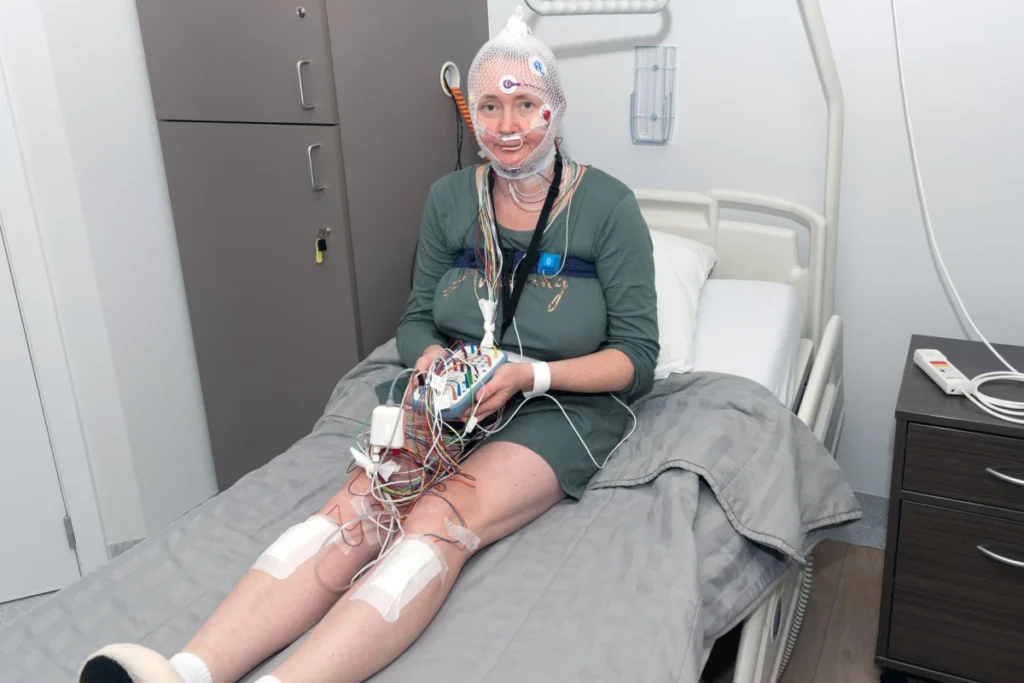
- Home sleep test (HSAT): $200 to $450 out of pocket, or $0 to $250 if Medicare or private cover applies.
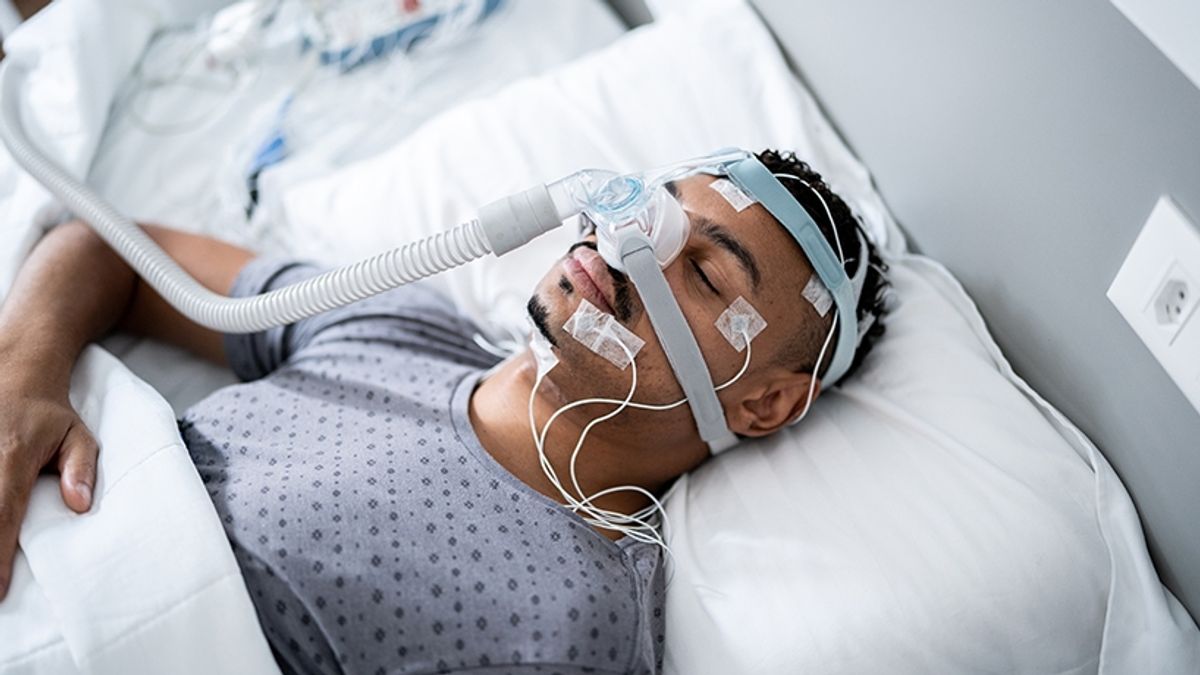
- In-lab overnight sleep study (polysomnography): $600 to $1,500+ out of pocket, depending on rebates, hospital type, and extras.
The widest cost swings usually come from specialist appointment fees, whether the provider is a private hospital, and whether the report and consultation are billed separately.
What’s the difference in price between a home sleep test and an in-lab study?
Home sleep tests are usually cheaper because they use fewer sensors and don’t require an overnight lab bed and staffing. In-lab studies cost more because they monitor more signals and are supervised in real time.
As a rough rule in Canberra, HSAT is often the lowest-cost diagnostic option, while in-lab testing is the premium option used when the case is complex, previous testing was unclear, or additional disorders are suspected.
What do people actually pay after Medicare and private health rebates?
Many people assume the test fee is the only cost, but their final bill often includes multiple line items. What they “actually pay” is usually the sum of:
- GP visit (often bulk billed, but not always)
- Sleep physician or ENT consult (commonly the biggest out-of-pocket)
- The sleep study fee (home or in-lab)
- Report interpretation and follow-up appointment (sometimes separate)
If Medicare criteria are met and the provider bills appropriately, rebates can reduce the sleep study component. Private health may further reduce costs for in-hospital studies, but excess, exclusions, and waiting periods can still leave a large gap.
What hidden fees push the total cost up?
In Canberra, the most common “surprise” charges are not the sensors or equipment. They are the add-ons around the test.
Typical extras include:
- Initial specialist consultation fee
- Separate reporting fee if the provider bills interpretation as its own service
- Follow-up consultation to discuss results and next steps
- Repeat study if the first test was inconclusive (common with HSAT if data quality is poor)
- CPAP trial, hire, or setup fees if treatment begins soon after diagnosis
People can usually avoid surprises by asking for a written quote covering consults, study, report, and follow-up before booking.
Do public hospitals offer cheaper sleep studies in Canberra?
Public pathways can be cheaper, but access is the trade-off. People may pay less through a public clinic, yet waiting times can be longer and eligibility may depend on symptom severity or referral triage.
In contrast, private providers often move faster but charge more out of pocket, especially if the process includes multiple specialist appointments.
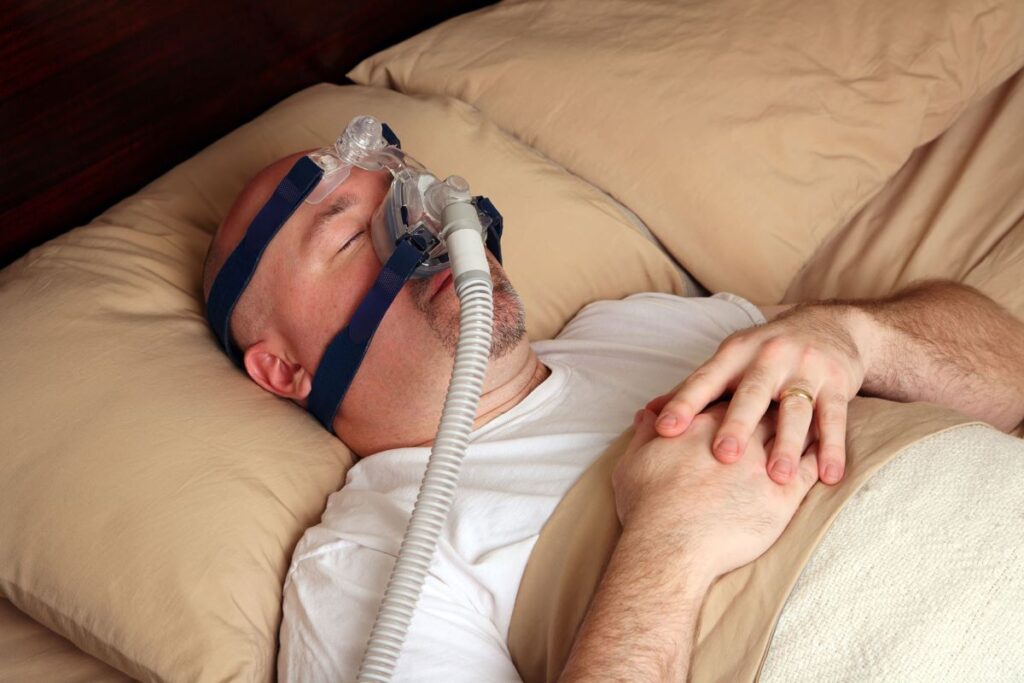
How much does it cost to get diagnosed and start CPAP in 2026?
Diagnosis is often only the first bill. In 2026, people who start CPAP commonly face:
- CPAP machine purchase: often $1,200 to $2,500
- Mask and accessories: often $150 to $400 initially
- Ongoing replacements: masks, cushions, filters every few months (varies by use and brand)
Some providers bundle services (study + consult + CPAP setup), while others charge each component separately. Bundles can be good value, but only if they include the follow-up support they will actually use.
What questions should they ask before booking to avoid overpaying?
The cheapest option is not always the lowest total cost. People typically protect themselves by confirming pricing and inclusions upfront.
Key questions include:
- Is the quote all-inclusive (study, report, and follow-up)?
- Will Medicare be claimed, and what are the expected rebates?
- Is an in-lab study truly required, or is HSAT appropriate first?
- What happens if the test is inconclusive—is a repeat discounted?
- Are there CPAP commissions or sales incentives tied to the clinic?
Getting clear answers to these questions usually prevents paying twice for the same outcome.
What should they budget for a Canberra sleep study in 2026?
A practical budget for 2026 is simple: plan for the test plus at least one specialist consult, then add a buffer for follow-up or treatment.
For many people, that means budgeting $300 to $600 for a home-test pathway, or $900 to $2,000+ for an in-lab pathway with private consults. The exact number depends on rebates, provider billing, and whether treatment starts immediately.
FAQs (Frequently Asked Questions)
How much does a sleep study cost in Canberra in 2026?
In 2026, sleep study costs in Canberra typically range from $200 to $450 out of pocket for a home sleep test (HSAT), or $600 to $1,500+ for an in-lab overnight sleep study (polysomnography). Medicare and private health rebates can reduce these costs significantly depending on coverage and provider.
What is the price difference between a home sleep test and an in-lab sleep study?
Home sleep tests (HSAT) are generally less expensive because they use fewer sensors and don’t require overnight lab supervision, costing around $200 to $450 out of pocket. In contrast, in-lab studies monitor more signals with real-time supervision, making them the premium option with costs ranging from $600 to over $1,500.
What expenses should I expect beyond the sleep study fee after Medicare and private health rebates?
Beyond the test fee, final costs often include GP visits (sometimes bulk billed), specialist consultations (sleep physician or ENT), report interpretation fees, and follow-up appointments. While Medicare and private health rebates can offset some charges, excesses and exclusions may still lead to significant out-of-pocket expenses.
Are there hidden fees that could increase the total cost of a sleep study in Canberra?
Yes, common additional fees include initial specialist consultation charges, separate reporting fees if interpretation is billed separately, follow-up consultations, repeat studies if initial tests are inconclusive (common with HSAT), and CPAP trial or setup fees if treatment begins soon after diagnosis. Asking for a detailed written quote before booking helps avoid surprises.
Do public hospitals offer cheaper sleep studies compared to private providers in Canberra?
Public hospital pathways can be less expensive but often involve longer waiting times and eligibility criteria based on symptom severity or referral triage. Private providers usually offer faster access but at higher out-of-pocket costs, especially when multiple specialist appointments are involved.
What should I budget for diagnosis and starting CPAP therapy in Canberra in 2026?
Diagnosis plus CPAP therapy can add up. Expect to pay approximately $300 to $600 for a home-test pathway or $900 to over $2,000 for an in-lab pathway including private consults. CPAP machines typically cost between $1,200 and $2,500 with masks and accessories adding another $150 to $400 initially. Ongoing replacement costs should also be considered.
See Also: Adelaide sleep study cost: how medicare rebates apply.