Home Oxygen Machine Setup: What Patients Should Know Before Starting Therapy
What is Home Oxygen Therapy and Who Needs It?
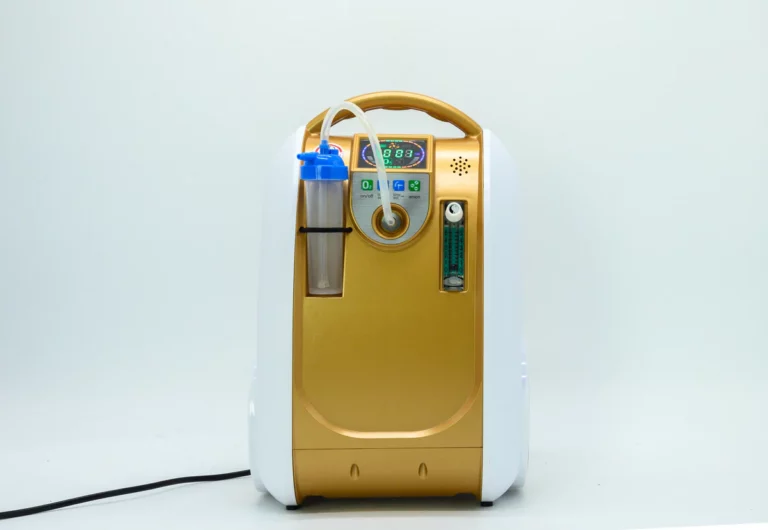
Home oxygen therapy delivers oxygen-enriched air to patients through a mask or nasal cannula connected to a home oxygen machine within their residence. This medical treatment supports individuals whose lungs or heart are unable to maintain healthy blood oxygen levels independently.
A home oxygen machine plays a vital role in managing chronic respiratory and cardiac conditions by ensuring essential organs receive adequate oxygen. When oxygen levels drop, cellular function begins to decline, which can lead to organ damage, fatigue, and reduced physical capacity. Consistent supplemental oxygen from a home oxygen machine helps prevent these complications and supports overall quality of life.
Conditions That Require Home Oxygen Therapy
Patients with several serious respiratory and cardiovascular conditions benefit from home oxygen therapy:
- Chronic Obstructive Pulmonary Disease (COPD) represents the most common indication for home oxygen supplementation. This progressive lung disease damages airways and reduces oxygen absorption, making breathing increasingly difficult.
- Interstitial Lung Disease (ILD) causes scarring of lung tissue, creating a barrier between air sacs and blood vessels. This scarring prevents efficient oxygen transfer into the bloodstream.
- Pulmonary hypertension involves elevated blood pressure in the arteries supplying the lungs. The condition strains the right side of the heart and impairs oxygen delivery throughout the body.
- Cystic fibrosis produces thick mucus that clogs airways and traps bacteria, leading to repeated infections and progressive lung damage. Advanced stages often require continuous oxygen support.
- Advanced cardiac failure occurs when the heart cannot pump blood effectively. Oxygen therapy reduces the workload on the failing heart while ensuring adequate oxygen reaches tissues.
How Oxygen Therapy Transforms Patient Outcomes
Home oxygen therapy delivers measurable improvements across multiple health dimensions. Research demonstrates that patients using prescribed oxygen supplementation experience extended survival rates compared to those with untreated hypoxemia.
Quality of life improvements manifest in several ways:
- Better sleep quality
- Reduced breathlessness during daily activities
- Increased ability to perform self-care tasks
The therapy allows individuals to maintain independence longer.
Cognitive function benefits significantly from adequate oxygen levels. The brain consumes approximately 20% of the body’s oxygen supply, making it particularly vulnerable to hypoxemia. Patients often notice improved memory, concentration, and mental clarity after starting
How is the Need for Home Oxygen Therapy Assessed?
Your doctor determines the need for home oxygen therapy through comprehensive patient assessment that measures how well your body absorbs and uses oxygen. This evaluation process typically occurs before hospital discharge or during outpatient consultations when chronic respiratory or cardiac conditions worsen.
What Medical Tests Confirm the Need for Oxygen Therapy?
Blood tests form the cornerstone of oxygen therapy assessment. Arterial blood gas (ABG) analysis measures the partial pressure of oxygen (PaO2) in your bloodstream, providing the most accurate picture of your oxygen levels. Healthcare providers typically recommend home oxygen when your PaO2 falls below 55 mmHg at rest, or below 59 mmHg if you have evidence of tissue hypoxia such as pulmonary hypertension or heart failure.
Oxygen saturation monitoring through pulse oximetry offers a non-invasive alternative to blood tests. Your healthcare team places a small device on your fingertip that measures the percentage of oxygen-carrying hemoglobin in your blood. Readings consistently below 88% at rest usually indicate the need for supplemental oxygen. This method allows for continuous monitoring during different activities like walking, sleeping, or exercising.
How Do Doctors Determine Your Oxygen Requirements?
The assessment process evaluates your oxygen needs under various conditions:
- Resting measurements: Taken while you sit quietly for at least 30 minutes
- Exercise testing: Monitored during a six-minute walk test or similar activity
- Sleep studies: Overnight monitoring to detect nocturnal oxygen desaturation
- Altitude considerations: Assessment of needs when traveling to higher elevations
Your results from these tests help determine not just whether you need oxygen, but how much and when. Some patients require oxygen only during sleep or physical activity, while others need continuous supplementation throughout the day.
What Factors Influence the Choice of Oxygen Delivery Method?
Healthcare providers select your oxygen delivery method based on multiple assessment findings. Your prescribed flow rate, measured in liters per minute (LPM), directly impacts which devices suit your needs. Patients requiring low flow rates (1-2 LPM) have more device options than those needing higher concentrations.
Your
What Types of Home Oxygen Machines Are Available?
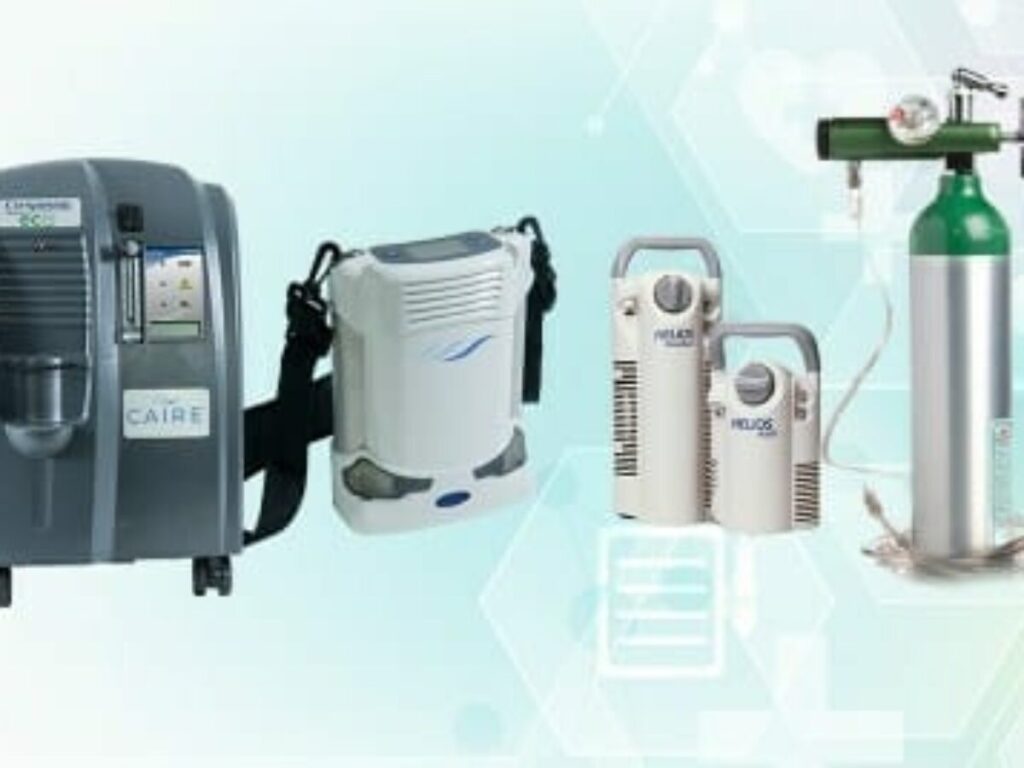
There are three main types of oxygen delivery systems designed to meet the diverse needs and lifestyles of patients:
- Oxygen concentrators: These devices extract oxygen from room air and deliver it at prescribed concentrations, making them ideal for patients requiring continuous oxygen therapy at home.
- Large cylinders: These containers hold compressed oxygen gas and typically remain stationary in the home, working well for patients who need supplemental oxygen for shorter periods or as backup systems during power outages.
- Portable cylinders: These lightweight tanks offer mobility for patients who need oxygen while moving around their home or venturing outside.
Matching Devices to Patient Lifestyles
Different oxygen machines cater to specific patient lifestyles:
- Oxygen concentrators suit patients who spend most of their time at home and require continuous oxygen supplementation.
- Large stationary cylinders benefit patients with intermittent oxygen needs or those living in areas with unreliable electricity.
- Portable systems enable patients to maintain active lifestyles despite their oxygen requirements.
Understanding Flow Rates and Settings
Oxygen flow rates measure the amount of oxygen delivered per minute, expressed in liters per minute (LPM). Typical home oxygen prescriptions range from 0.5 to 6 LPM, with specific rates determined by individual patient needs and activity levels. Patients often receive different flow rate prescriptions for rest, sleep, and exertion.

What Safety Precautions Should Patients Take When Using Home Oxygen Machines?
Oxygen enriches the air and makes everything around it burn faster and hotter, creating serious fire hazards if proper precautions aren’t followed. Patients must maintain strict safety protocols to prevent potentially fatal accidents in their homes.
Why Must Oxygen Equipment Stay Away From Heat Sources?
Oxygen equipment requires a minimum distance of 5-10 feet from any open flame, heat source, or spark-producing device. This includes gas stoves, candles, fireplaces, space heaters, and even electrical appliances that generate heat. The oxygen-enriched environment dramatically accelerates combustion, turning a small spark into a dangerous fire within seconds.
Patients should never use oxygen while cooking or near kitchen appliances. The concentrated oxygen flowing from the device creates an invisible zone where fabrics, hair, and skin become highly flammable. Even static electricity from synthetic clothing can ignite in oxygen-rich conditions.
Is Smoking Ever Acceptable Around Oxygen Therapy?
Smoking represents an absolute contraindication during home oxygen therapy—no exceptions exist. The combination of lit cigarettes and supplemental oxygen has caused severe facial burns, house fires, and deaths. Patients who smoke must completely extinguish cigarettes and wait before using oxygen equipment.
This prohibition extends to all household members and visitors. Family members cannot smoke in the same room, even when the patient isn’t actively using oxygen. Residual oxygen in the air remains flammable for several minutes after therapy stops. Many oxygen suppliers require signed agreements acknowledging the no-smoking policy before delivering equipment.
E-cigarettes and vaping devices also pose risks despite producing no flame. The heating elements can malfunction and spark, creating ignition sources in oxygen-enriched environments.
What Other Flammable Materials Should Patients Avoid?
Several common household products become dangerous fire accelerants near oxygen:
- Petroleum-based products: Vaseline, oil-based lotions, aerosol sprays, and petroleum jelly
- Alcohol-based products: Hand sanitizers, rubbing alcohol, and certain cosmetics
- Flammable liquids: Paint thinners, gasoline, lighter fluid, and cleaning solvents
What Side Effects Might Patients Experience With Home Oxygen Therapy?
Most patients tolerate home oxygen therapy well, but side effects of oxygen therapy can occur, particularly during the initial adjustment period. These effects are typically mild and manageable with proper care and equipment adjustments. Read more about Oxygen toxicity.
Physical Discomfort From Oxygen Delivery Devices
Skin irritation ranks among the most frequently reported issues with home oxygen use. The constant contact between nasal cannulas or face masks and the skin creates pressure points that may develop into redness, soreness, or raw patches. Areas behind the ears where cannula tubing rests are especially vulnerable, as are the bridge of the nose and cheeks under mask edges.
Patients can minimize this discomfort by following some tips to make supplemental oxygen more comfortable, such as:
- Using soft padding or gauze under pressure points
- Adjusting the fit of cannulas to reduce tightness without compromising oxygen delivery
- Alternating between nasal cannulas and masks when medically appropriate
- Applying skin barrier creams to vulnerable areas (avoiding petroleum-based products)
Nasal and Respiratory Symptoms
Nasal dryness represents another common challenge with oxygen therapy. The continuous flow of dry oxygen through nasal passages strips away natural moisture, leading to uncomfortable sensations, crusting, and potentially nosebleeds. Some patients describe a burning sensation or congestion that worsens throughout the day.
The severity of nasal symptoms often correlates with oxygen flow rates—higher flows tend to cause more pronounced drying effects. Patients receiving flows above 4 liters per minute face increased risk of significant nasal mucosa irritation.
Humidification attachments for oxygen concentrators can substantially reduce these symptoms. These devices add moisture to the oxygen stream before it reaches the patient’s airways. Regular application of water-based nasal gels or saline sprays also helps maintain nasal moisture without creating fire hazards.
Systemic Adjustment Symptoms
Headaches and unusual tiredness may emerge when patients first begin oxygen therapy or when flow rates are adjusted. These symptoms reflect the body’s adaptation to altered oxygen and carbon dioxide levels in the bloodstream. The brain is particularly sensitive to changes in blood gas composition, which can trigger tension-type headaches or a general feeling of fatigue.
These adjustment symptoms typically resolve within a short period, but if they persist or worsen, it’s essential to consult with a healthcare provider. Check out more about Home Oxygen: When It’s Needed and How to Select Reliable Equipment.
How Should Patients Use and Maintain Their Oxygen Equipment?
Proper equipment operation begins with comprehensive respiratory therapist education before you leave the hospital or receive your first home delivery. Your respiratory therapist will demonstrate the correct positioning of nasal cannulas or masks, ensuring the prongs sit comfortably in your nostrils without causing pressure points. They’ll show you how to adjust the tubing length to allow movement while preventing kinks that could restrict oxygen flow.
Understanding Your Device Use Instructions
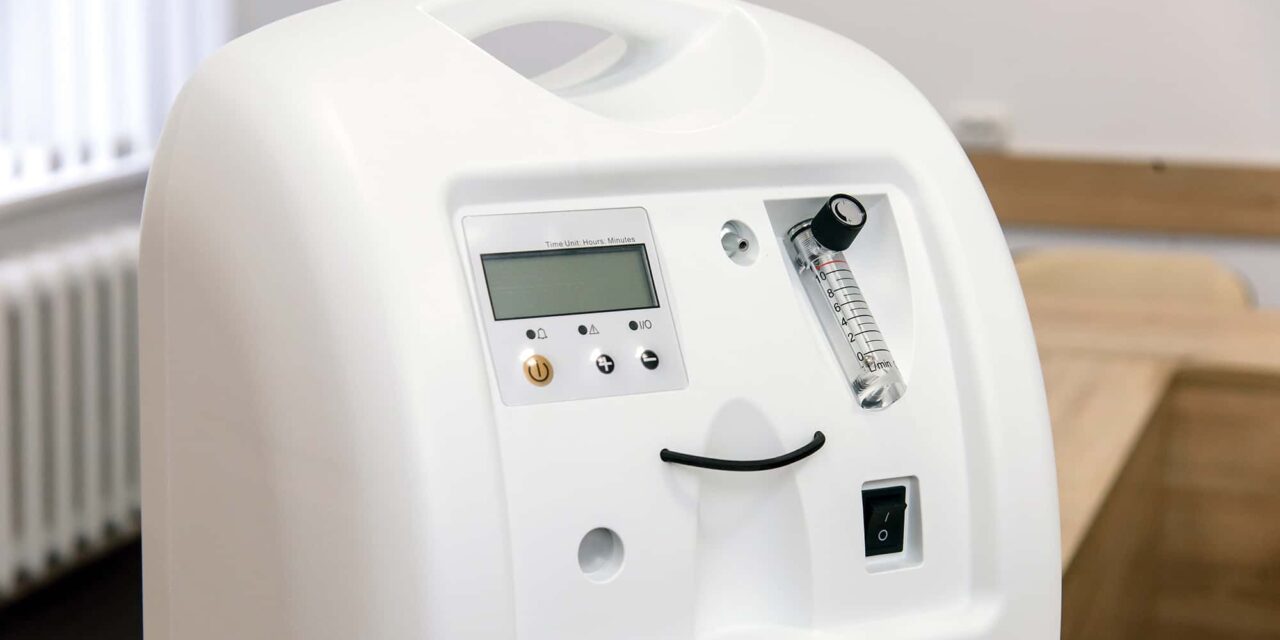
Your oxygen system comes with specific device use instructions tailored to your prescribed therapy. You’ll learn how to read the flow meter accurately, adjust settings only as prescribed by your physician, and recognize when your device is functioning correctly. The concentrator should produce a steady humming sound, while portable cylinders display pressure gauges indicating remaining oxygen supply.
Key operational guidelines include:
- Never adjust your oxygen flow rate without consulting your healthcare provider
- Check that all connections between the device, tubing, and delivery interface are secure before each use
- Position your concentrator at least 6 inches away from walls or furniture to ensure proper ventilation
- Keep backup equipment accessible in case of power outages or device malfunctions
- Document your daily usage hours as directed by your care team
Daily Equipment Maintenance Requirements
Your oxygen equipment requires consistent cleaning to prevent bacterial growth and maintain optimal performance. Nasal cannulas should be wiped daily with a damp cloth and replaced weekly or according to your supplier’s recommendations. Reusable masks need washing with mild soap and warm water every three days, followed by thorough air drying.
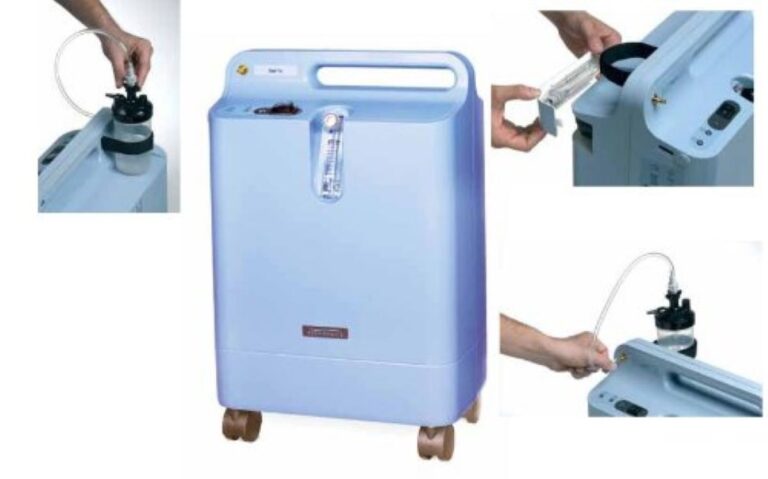
The humidifier bottle attached to your concentrator demands particular attention. Empty and refill it daily with distilled water only—tap water contains minerals that create buildup and reduce efficiency. Wash the bottle weekly using a vinegar solution (one part white vinegar to three parts water) to eliminate bacteria and mineral deposits.
Filter Maintenance and Replacement
Concentrator filters trap dust and airborne particles that would otherwise compromise your oxygen purity. External filters require weekly cleaning by removing them from the device, rinsing under running water, and allowing complete drying before reinstallation. Internal filters typically need replacement every 6-12 months depending on your environment’s air quality.
Establish this maintenance routine:
Why Is Regular Follow-Up Important After Starting Home Oxygen Therapy?
Regular follow-up care ensures your oxygen therapy remains effective and safe throughout your treatment journey. Medical professionals need to monitor how your body responds to supplementation and adjust your prescription based on changing health needs.
Does Oxygen Therapy Require Ongoing Medical Supervision?
Yes, treatment monitoring through scheduled appointments is essential for optimal outcomes. Your healthcare provider will typically schedule follow-up visits within the first month of starting therapy, then at regular intervals based on your condition stability. These appointments allow your medical team to measure oxygen saturation levels, assess symptom improvement, and evaluate whether current flow rates meet your physiological needs.
Blood oxygen measurements during rest, activity, and sleep provide critical data points. Your doctor may discover that initial settings need modification as your body adapts or as your underlying condition progresses. Some patients require increased oxygen flow during physical activity or sleep, while others may need adjustments due to seasonal changes or respiratory infections.
What Happens During Follow-Up Appointments?
Each follow-up visit includes specific assessments to evaluate therapy effectiveness:
- Pulse oximetry readings to check blood oxygen saturation levels
- Physical examination focusing on respiratory function and signs of oxygen deficiency
- Review of symptoms including shortness of breath, fatigue, and sleep quality
- Equipment inspection to ensure devices function properly
- Discussion of challenges you’ve encountered with the therapy
Your healthcare provider will ask detailed questions about your daily oxygen use patterns. This information helps identify whether you’re receiving adequate supplementation during all activities or if therapy adjustments are necessary.
How Do Doctors Adjust Oxygen Therapy Over Time?
Therapy adjustments depend on objective measurements and your reported experiences. Your doctor might increase flow rates if oxygen saturation remains below target levels or if you continue experiencing symptoms like persistent breathlessness or cognitive difficulties. Conversely, some patients may qualify for reduced supplementation if their condition stabilizes or improves.
Device changes may also occur during follow-up care. Patients initially prescribed stationary concentrators might transition to portable systems as they become more active. Others may need different delivery interfaces—switching from nasal cannulas to masks or vice versa—based on comfort and effectiveness.