Home Oxygen: When It’s Needed and How to Select Reliable Equipment
What is Home Oxygen Therapy and Why is it Important for Patients with Chronic Pulmonary Diseases?
Home oxygen therapy delivers supplemental oxygen to patients in their living environment when their bodies cannot maintain adequate oxygen levels naturally. This medical intervention provides concentrated oxygen through specialized equipment, allowing patients to breathe air with higher oxygen content than the standard 21% found in room air.
The therapy serves as a lifeline for individuals with chronic pulmonary diseases and cardiac conditions that compromise the body’s ability to absorb or circulate oxygen effectively. When lungs or heart function deteriorates, cells throughout the body receive insufficient oxygen, leading to fatigue, confusion, and organ damage.
Patients using home oxygen therapy experience measurable improvements across multiple health dimensions:
- Extended survival rates in individuals with severe hypoxemia
- Enhanced quality of life through reduced breathlessness and increased energy
- Improved cognitive function as the brain receives adequate oxygen supply
- Greater exercise capacity enabling participation in daily activities
- Better sleep quality reducing morning headaches and nighttime breathing disruptions
The therapy transforms management of chronic respiratory conditions from hospital-dependent care to sustainable home-based treatment. Patients gain independence while maintaining the oxygen support their bodies require. Medical evidence consistently demonstrates that consistent use of supplemental oxygen, particularly for 15 or more hours daily, significantly impacts long-term health outcomes for those with qualifying conditions.
Which Medical Conditions Require the Use of Home Oxygen?
Hypoxemia occurs when blood oxygen levels drop below normal ranges, specifically when oxygen saturation (SpO2) falls to 88% or lower, or when arterial oxygen pressure (PaO2) measures 55 mm Hg or less. These thresholds signal that body tissues aren’t receiving adequate oxygen to function properly.
Several chronic conditions create persistent hypoxemia requiring supplemental oxygen:
- Chronic Obstructive Pulmonary Disease (COPD) stands as the most common reason for home oxygen prescriptions. Damaged airways and lung tissue prevent efficient oxygen absorption, causing blood oxygen levels to decline progressively as the disease advances.
- Interstitial Lung Disease (ILD) involves scarring of lung tissue that thickens the walls between air sacs. This scarring blocks oxygen from passing into the bloodstream, even when patients breathe normally.
- Pulmonary Hypertension related to COPD creates high blood pressure in lung arteries. The increased pressure strains the heart and reduces oxygen delivery throughout the body.
- Severe Cystic Fibrosis produces thick mucus that clogs airways and traps bacteria. Repeated infections damage lung tissue over time, diminishing the lungs’ ability to oxygenate blood.
- Advanced Cardiac Failure weakens the heart’s pumping capacity. Poor circulation means less oxygenated blood reaches vital organs, creating a state of chronic oxygen deficiency that supplemental therapy helps address.
How is Home Oxygen Therapy Administered and What Types of Equipment Are Used?
Oxygen therapy begins when blood tests confirm hypoxemia—specifically when SpO2 drops to 88% or below, or PaO2 measures 55 mm Hg or less. Arterial blood gas analysis provides the definitive measurement for prescription decisions.
Types of Home Oxygen Therapy
There are two main types of home oxygen therapy:
- Long-term oxygen therapy (LTOT): This therapy addresses chronic resting hypoxemia in patients whose oxygen levels remain low even at rest. It requires consistent use for at least 15 hours daily to maximize survival benefits and improve organ function. Patients typically use oxygen during sleep, rest periods, and daily activities at home.
- Ambulatory oxygen: This therapy targets exertional hypoxemia—oxygen desaturation that occurs specifically during physical activity. It benefits patients who maintain adequate oxygen at rest but experience drops during movement by providing portable systems they can use outside the home.
Equipment Options for Home Oxygen Therapy
Various equipment options are available for administering home oxygen therapy:
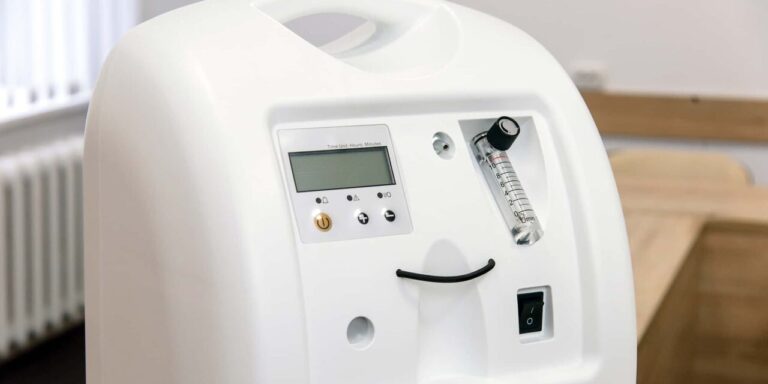
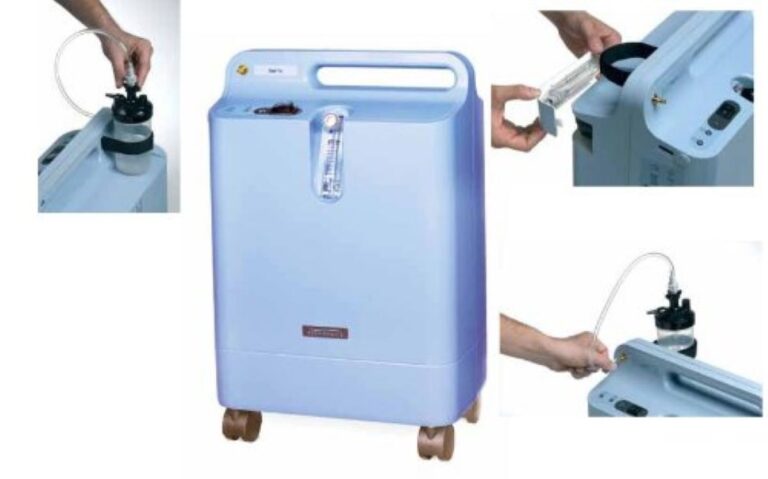
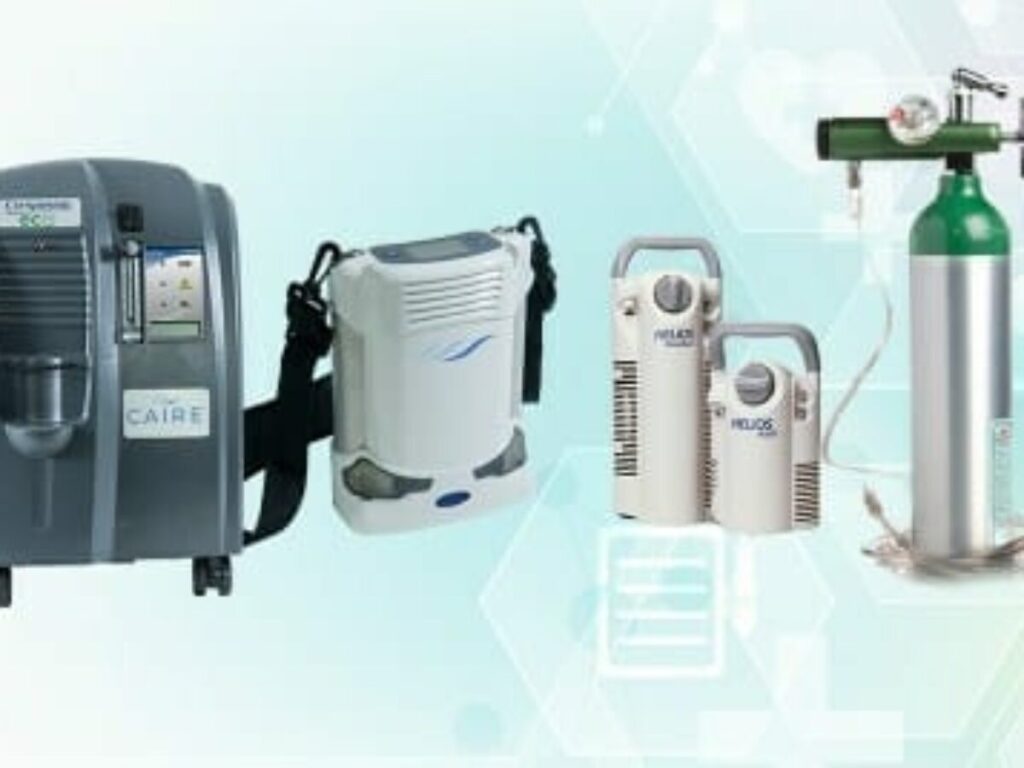
- Stationary concentrators: These devices serve as the primary home solution, plugging into electrical outlets to extract oxygen from room air. They reliably deliver 1-6 liters per minute through low-flow nasal cannulas.
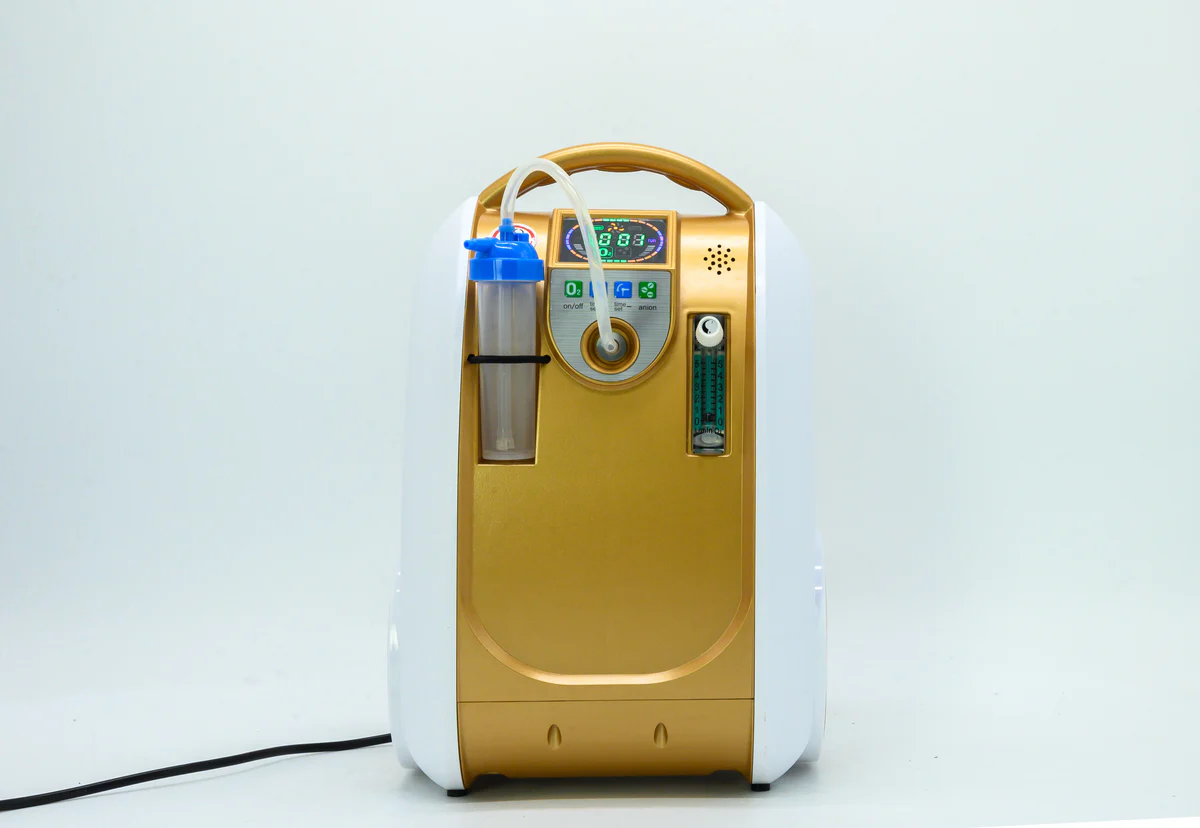
- Portable concentrators and small oxygen cylinders: These options enable mobility for work, shopping, and social activities. Battery-powered units allow several hours of independence from electrical sources.
- Simple masks: When cannulas prove insufficient, simple masks deliver higher flow rates (6-10 L/min).
- Venturi masks: These masks provide precise oxygen concentrations for patients with hypercapnic respiratory failure who require careful oxygen titration.
What Factors Should Be Considered When Selecting Reliable Home Oxygen Equipment?
1. Flow Requirements
Flow requirements determine which oxygen delivery system will meet a patient’s medical needs. Patients requiring 1-6 liters per minute can typically use standard nasal cannulas with most concentrators, while those needing higher flows may require specialized equipment or alternative delivery methods like simple masks or Venturi systems. A physician’s prescription specifies the exact flow rate needed at rest, during activity, and while sleeping—these measurements guide equipment selection.
2. Patient Mobility Needs
Patient mobility needs shape the choice between stationary and portable systems. Stationary concentrators work best for patients who spend most time at home and require continuous oxygen. These units plug into electrical outlets and provide unlimited oxygen without refills. Portable concentrators or liquid oxygen systems suit active patients who need oxygen outside the home for work, errands, or social activities.
3. Battery Life
Battery life becomes critical for portable devices. Pulse-dose portable concentrators conserve oxygen by delivering it only during inhalation, extending battery duration for patients on lower flow rates. Continuous-flow portable units drain batteries faster but accommodate patients whose breathing patterns require constant oxygen delivery.
4. Weight and Size
Weight and size matter for portability. Devices under 5 pounds with carrying cases or wheeled carts enable greater independence. Some patients benefit from having both stationary equipment at home and a lightweight portable option for outings, creating a comprehensive oxygen therapy solution that supports their lifestyle.
How Can Patients and Caregivers Ensure Safe Use of Home Oxygen Therapy?
1. Patient Education
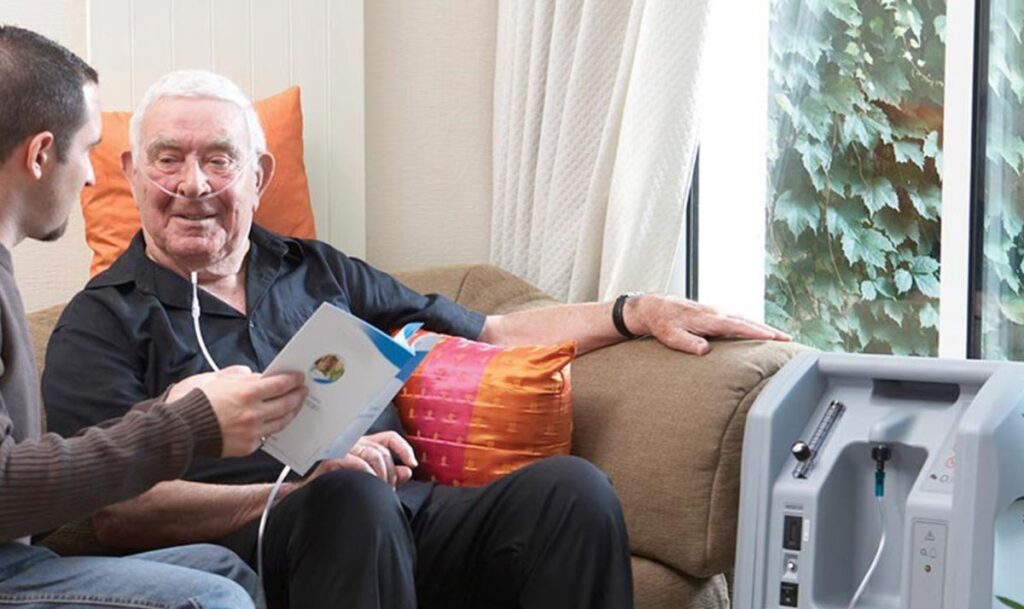
Patient education forms the foundation of safe oxygen therapy at home. Healthcare providers must demonstrate proper equipment operation, cleaning procedures, and troubleshooting techniques before discharge. Patients and caregivers should practice connecting tubing, adjusting flow rates, and recognizing equipment malfunctions during supervised training sessions. Written instructions with visual diagrams help reinforce verbal teaching and serve as reference materials at home.
2. Fire Hazards Prevention
Fire hazards prevention requires strict adherence to oxygen safety protocols. Oxygen supports combustion, making materials near the equipment burn faster and hotter than normal. The following precautions are non-negotiable:
- Never smoke or allow others to smoke within the same room as oxygen equipment
- Keep oxygen sources at least 5-10 feet away from open flames, gas stoves, candles, and fireplaces
- Avoid using petroleum-based products like Vaseline near the face or oxygen delivery devices
- Store backup cylinders in upright positions away from heat sources
- Ensure proper ventilation in rooms where oxygen is used
You may like to visit https://www.frv.vic.gov.au/home-fire-prevention to get more about home fire prevention.
3. Regular Equipment Inspections
Regular equipment inspections catch potential problems early. Check tubing for cracks or kinks weekly, clean nasal cannulas or masks according to manufacturer guidelines, and verify that concentrator filters remain clean. Patients should keep emergency contact numbers for their oxygen supplier readily accessible and maintain backup oxygen sources for power outages.
What Are the Potential Side Effects, Risks, and Monitoring Needs Associated with Home Oxygen Therapy?
High-concentration oxygen therapy can trigger several physiological complications that require attention. Atelectasis, or lung collapse, may develop when excessive oxygen displaces nitrogen in the alveoli, reducing their stability and causing them to collapse.
Peripheral vasoconstriction represents another concern, as elevated oxygen levels can narrow blood vessels in extremities, potentially reducing circulation to hands and feet. Some patients experience oxidative stress from prolonged exposure to high oxygen concentrations, which can damage lung tissue over time.
Physical irritation from delivery devices creates common discomforts:
- Skin bruising or pressure sores where nasal cannulas rest against the face or ears
- Dry nasal passages from continuous oxygen flow, often leading to crusting and discomfort
- Nosebleeds resulting from dried, irritated nasal mucosa
- Morning headaches in some cases, particularly with nocturnal use
Pulse oximetry monitoring serves as the primary tool for tracking oxygen saturation levels at home. Patients should measure their SpO2 readings regularly, especially during different activities and times of day. Healthcare providers typically schedule follow-up appointments every 1-3 months initially, then less frequently once therapy stabilizes. These check-ups include arterial blood gas tests to verify that oxygen levels remain within target ranges and to adjust flow rates if needed.
Conclusion
Effective home oxygen management relies on two key factors: thorough patient education and regular medical follow-up. It’s crucial for patients and caregivers to have a clear understanding of how to operate the equipment, follow safety protocols, and perform maintenance tasks in order to maximize the benefits of therapy and minimize any potential risks. Additionally, routine monitoring through pulse oximetry and arterial blood gas testing is essential to ensure that oxygen therapy is always tailored to meet individual needs.
When it comes to choosing reliable equipment, it’s important to first understand your specific medical requirements such as flow rates, mobility needs, and daily usage patterns. These factors will greatly influence your decision on which equipment is best suited for you. Healthcare providers play a critical role in this process by offering guidance on selecting the right equipment and providing ongoing support as conditions change over time.
With proper training and scheduled check-ups, Home Oxygen: When It’s Needed and How to Select Reliable Equipment can become an easily manageable part of chronic disease care. This, in turn, leads to significant improvements in both quality of life and health outcomes.
More to Read : Home Oxygen Machine Setup: What Patients Should Know Before Starting Therapy