
Sleep Study Perth Bulk Billed: Who Qualifies?
This guide explains who typically qualifies for a bulk billed sleep study in Perth, what usually needs to happen first, and the common reasons people get caught out.
What does “bulk billed” mean for a sleep study in Perth?
Sleep study Perth bulk billed generally means the provider bills Medicare directly and the patient pays nothing out of pocket for the eligible service. In practice, however, many sleep studies are only partially covered, or bulk billing is offered only to certain patients at specific clinics.
Eligibility is not determined by symptoms alone. It typically depends on the relevant Medicare item numbers, whether the test is conducted at home or in a laboratory, and if a valid GP or specialist referral is in place.
Who can qualify for a bulk billed sleep study in Perth?
They typically qualify when the service is Medicare-eligible and the provider chooses to bulk bill for that item. Most commonly, that means they have a valid referral and a clinical reason that fits Medicare requirements, such as suspected obstructive sleep apnoea with significant symptoms.
Some providers also limit bulk billing to concession card holders or patients who meet certain clinical thresholds. Others bulk bill only home studies, not in-lab tests.
Do they need a GP referral to be bulk billed?
Yes, in most cases they will need a referral to access Medicare rebates for sleep-related testing pathways. A GP can start the process and may refer them to a sleep physician or directly to a sleep service depending on the model used.
Without an appropriate referral, a clinic may still offer testing, but it is less likely to be bulk billed and may be treated as a private service.
Does a concession card or pension card automatically qualify them?
Not automatically. A concession card can make bulk billing more likely because some providers reserve bulk billed appointments for Health Care Card holders, pensioners, or certain low-income patients.
However, Medicare rules still apply and the provider still has to offer bulk billing. They should ask the clinic directly whether concession status changes the out-of-pocket cost for the specific sleep study being recommended.
Are home sleep studies more likely to be bulk billed than in-lab studies?
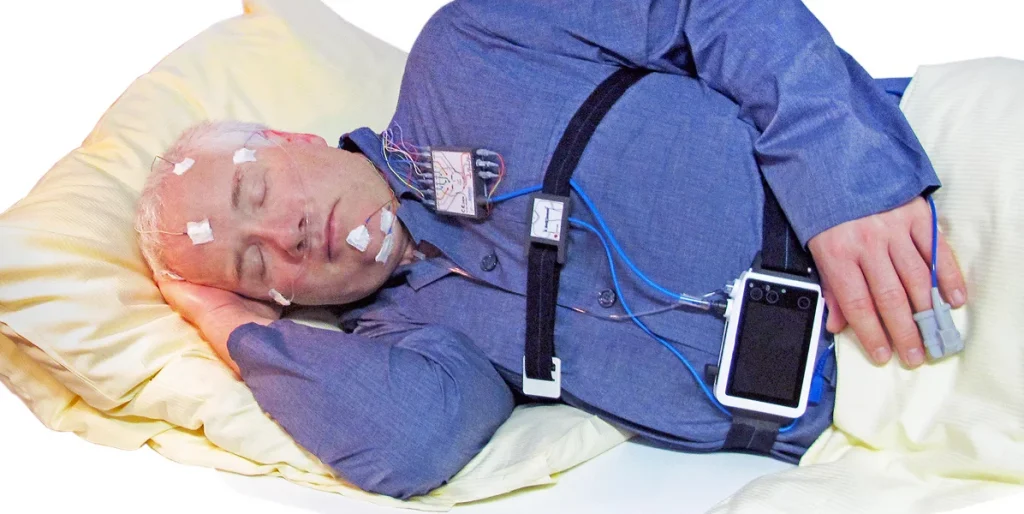
Yes, home sleep studies are often more likely to be bulk billed because they can be cheaper to deliver and commonly align with Medicare-supported pathways for suspected sleep apnoea. Many clinics in Perth promote home testing with “no gap” or “bulk billed” options for eligible patients.
In-lab polysomnography is more resource-heavy, so bulk billing is less common and waiting lists can be longer when it is offered publicly.
What symptoms or risk factors make them more likely to be approved?
They are more likely to be considered clinically appropriate when they have clear signs of moderate to severe sleep apnoea or another significant sleep disorder. Examples often include loud habitual snoring, witnessed breathing pauses, choking or gasping during sleep, excessive daytime sleepiness, and high-risk driving fatigue.
Comorbidities can also raise urgency, such as resistant hypertension, atrial fibrillation, type 2 diabetes, obesity, or a high-risk occupation. The key point is that the referral should document symptoms clearly.
Can children qualify for bulk billed sleep studies in Perth?
Sometimes, but it depends heavily on where the test is done and the suspected condition. Paediatric sleep studies are often arranged through public hospitals or paediatric sleep services, where Medicare and hospital funding structures differ from private adult clinics.
If a child is being assessed privately, the family should expect that bulk billing is less predictable and should confirm costs in writing before proceeding.
Does using a public hospital mean it will be bulk billed?
Not necessarily, but public pathways can reduce or remove costs for eligible patients. If they are referred to a public hospital sleep clinic, the consultation and testing may be covered as part of the public system, though waiting times can be significant.
Private clinics can sometimes offer faster testing, but bulk billing is dependent on the clinic’s policy and Medicare eligibility for the specific service. Read more about Sleep tips for children.
What are the most common reasons they are told they do not qualify?
They are often told they do not qualify because the clinic does not bulk bill, the requested test is not covered as “no gap” under that provider’s policy, or the referral and documentation are not sufficient for the Medicare pathway being used.
Another common issue is that they are recommended an in-lab study for clinical reasons, but the bulk billed option offered by the clinic applies only to home studies.
What should they ask a Perth clinic before booking?
They should ask whether the test is fully bulk billed, partially rebated, or privately billed, and what the expected out-of-pocket cost is. They should also ask which test is being offered (home study vs in-lab polysomnography), whether a GP referral is sufficient, and whether a sleep physician review is required first.
It also helps to ask what happens if the first test is inconclusive, since a second study can change costs. Click here to get more about Sleep Study Perth Cost: Comparing Clinic and Home Options.
What is the simplest way for them to check eligibility quickly?
They should start with their GP and request a clear assessment note and referral that states suspected sleep apnoea or the relevant sleep disorder with symptoms listed. Then they should contact a few Perth providers and ask, using the referral details, whether they can offer bulk billing for that pathway.
Because “bulk billed” can vary by clinic and by test type, confirming it before booking is the most reliable step.

FAQs (Frequently Asked Questions)
What does ‘bulk billed’ mean for a sleep study in Perth?
Bulk billed means the sleep study provider bills Medicare directly, so the patient pays no out-of-pocket costs for eligible services. However, many sleep studies are only partly covered or bulk billing is limited to certain patients, test types, and clinics in Perth.
Who typically qualifies for a bulk billed sleep study in Perth?
Patients usually qualify when their sleep study service is Medicare-eligible and the provider agrees to bulk bill. This often requires a valid GP or specialist referral and clinical reasons that meet Medicare criteria, such as suspected obstructive sleep apnoea with significant symptoms. Some clinics limit bulk billing to concession card holders or only for home-based studies.
Is a GP referral necessary to access bulk billed sleep studies in Perth?
Yes, most bulk billed sleep studies require an appropriate GP referral. The GP may refer the patient directly to a sleep service or to a sleep physician. Without this referral, testing may still be available but is less likely to be bulk billed and could be treated as a private service.
Do concession or pension cards automatically guarantee bulk billing for sleep studies?
No, holding a concession or pension card does not automatically ensure bulk billing. While some providers reserve bulk billed appointments for Health Care Card holders or pensioners, Medicare rules still apply and providers decide whether to offer bulk billing. Patients should confirm with the clinic about any impact of concession status on costs.
Are home sleep studies more likely to be bulk billed than in-lab polysomnography in Perth?
Yes, home sleep studies are often more likely to be bulk billed because they align with Medicare-supported pathways and are less resource-intensive. Many Perth clinics offer ‘no gap’ or fully bulk billed options for eligible patients at home. In-lab studies are more costly and less commonly bulk billed publicly, often with longer waiting times.
What symptoms increase the likelihood of qualifying for a bulk billed sleep study?
Symptoms like loud habitual snoring, witnessed breathing pauses during sleep, choking or gasping episodes, excessive daytime sleepiness, and fatigue especially affecting high-risk activities increase eligibility. Comorbidities such as resistant hypertension, atrial fibrillation, type 2 diabetes, obesity, or high-risk occupations also raise clinical urgency. Clear documentation of these symptoms on referrals is essential.