7 Things to Know About Using an Aerobika Mucus Clearance Device
Below are seven practical things they should know before they start.
What does an Aerobika mucus clearance device actually do?
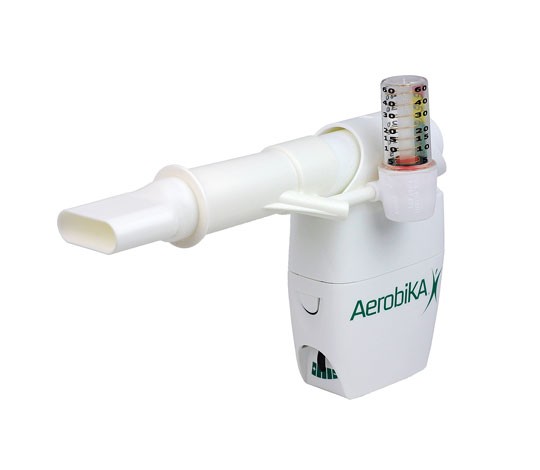
Aerobika mucus clearance device helps move mucus from smaller airways towards larger ones so it can be coughed out. It does this using two mechanics: positive expiratory pressure (PEP), which helps keep airways open, and oscillations, which create vibrations that can loosen secretions.
It is commonly used in conditions where mucus builds up, such as bronchiectasis, COPD, cystic fibrosis, and after some respiratory infections or surgeries, if a clinician has recommended it.
Who is Aerobika usually for, and who should check first?
It is usually for people who struggle with daily mucus clearance, frequent chest infections, or a productive cough that lingers. It can also be part of a wider airway clearance plan, alongside inhalers, nebulised treatments, and physiotherapy techniques.
They should check with a clinician first if they have had recent lung collapse (pneumothorax), significant coughing of blood, recent chest or facial surgery, unstable heart problems, or severe shortness of breath at rest. If in doubt, they should ask their respiratory nurse, physio, or GP before using it.
How should they use it for the best results?
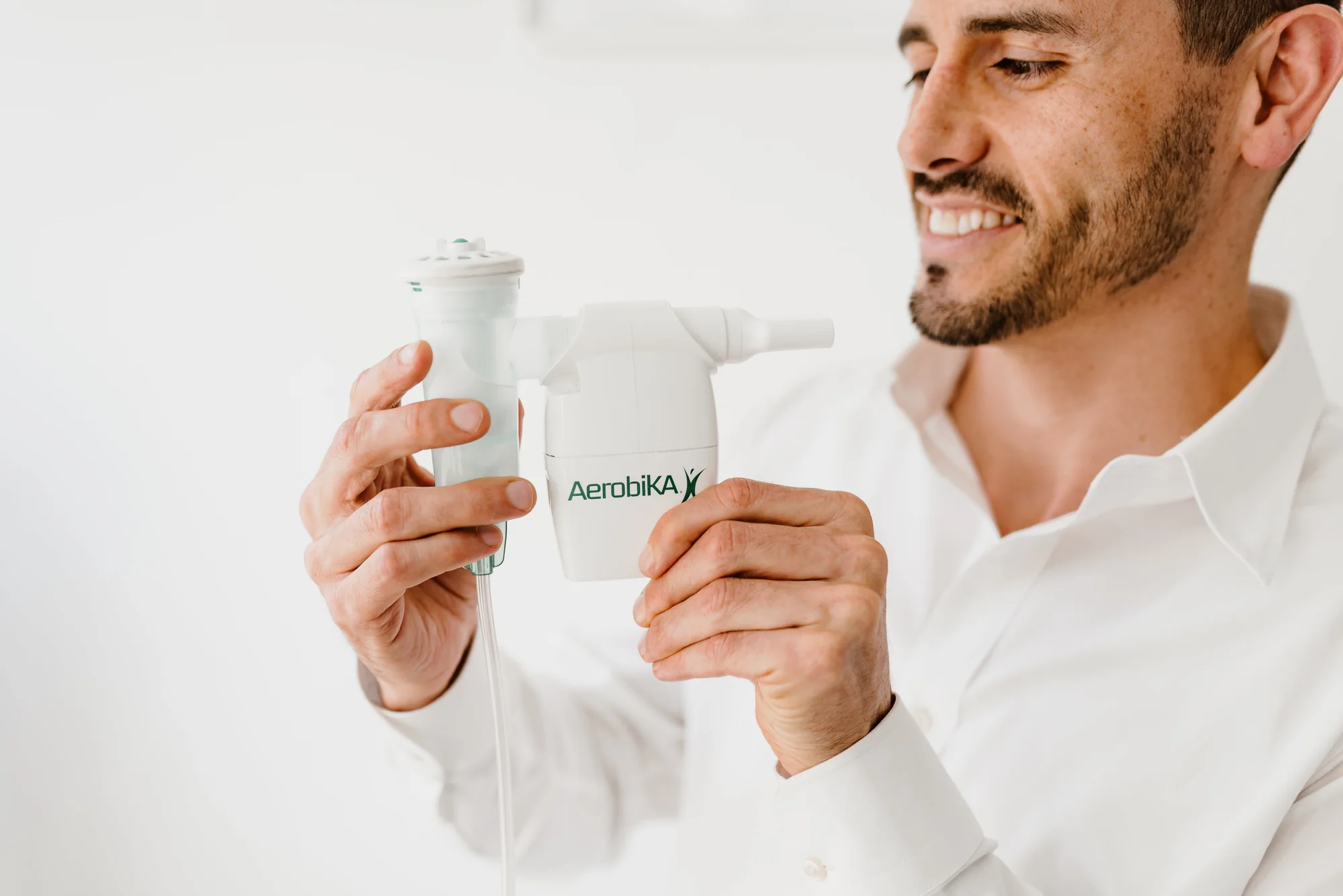
They should aim for calm, controlled breathing rather than forceful blowing. A typical session involves sitting upright, sealing lips around the mouthpiece, breathing in slightly deeper than normal, holding briefly if advised, then exhaling actively through the device.
Most routines include repeated breaths followed by “huff” coughing to bring mucus up, rather than only hard coughing. If they feel dizzy, wheezy, or overly breathless, they should pause and reset their breathing, then restart more gently. “
What setting should they choose, and can it be adjusted?
Many Aerobika devices allow the resistance to be adjusted, which changes how hard they need to exhale. The “best” setting is the one that creates steady resistance without strain and still allows a comfortable, complete exhale.
They should not assume higher resistance is always better. A clinician or respiratory physio can help them find a setting that matches their lung function, symptoms, and goals, especially if they are newly diagnosed or have frequent flare-ups.
When is the best time to use it, and how often should they do sessions?
They should follow the plan given by their clinician, but many people use it once or twice daily, and more often during flare-ups if advised. Timing often matters.
If they use inhaled bronchodilators or nebulised saline, it is commonly done before the Aerobika session to open the airways and thin mucus. Doing airway clearance at roughly the same times each day can make it easier to stick with, and it helps them notice what “normal” feels like. Check out more about what to Look for when buying an Oxygen concentrator for sale in Australia.
What signs suggest it is working, or that something needs changing?
It is often working if they can bring up mucus more easily, feel less congested, cough less throughout the day, or breathe more freely after sessions. Some people also notice better exercise tolerance or fewer night-time symptoms.
They should review the technique or plan if they are getting headaches or dizziness, chest pain, worsening wheeze, exhaustion after sessions, or no mucus movement after consistent use. A change in mucus colour, fever, or increased breathlessness can signal infection or an exacerbation that needs medical advice.
Other Resources : General practice management of COPD patients following acute exacerbations: a qualitative study
How should they clean and look after the device?
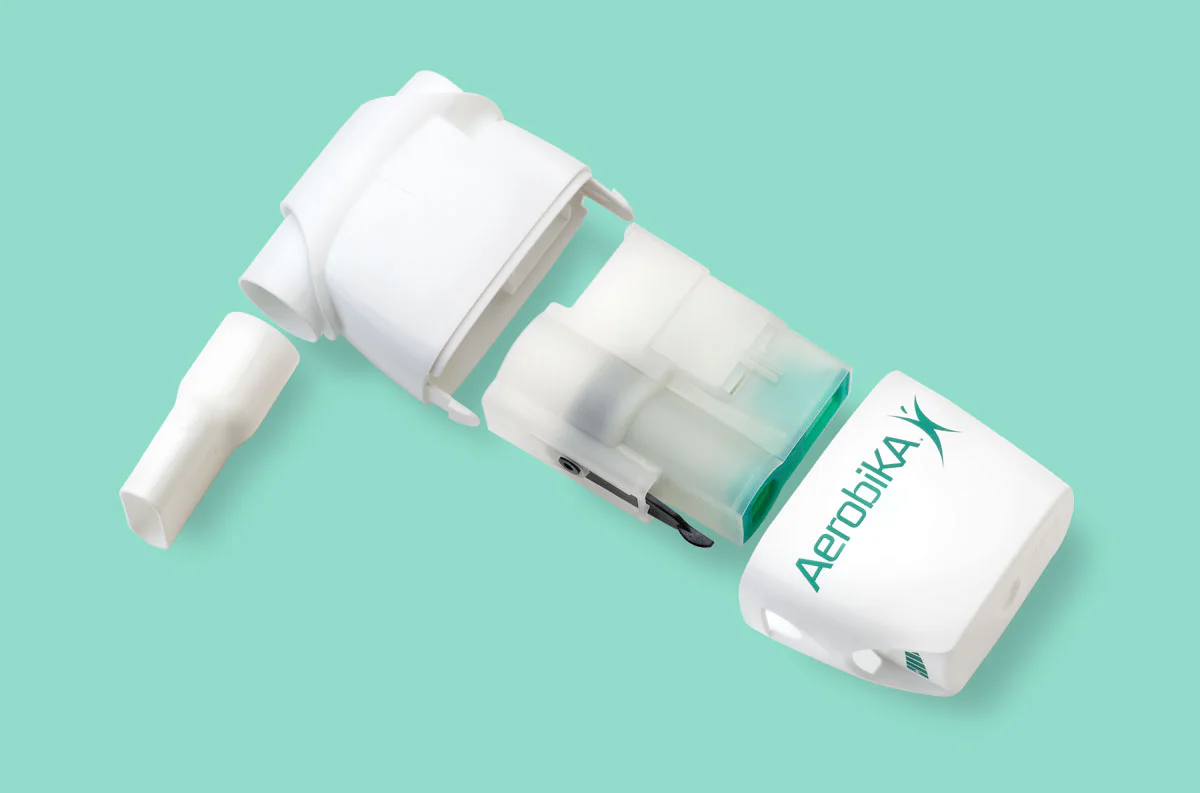
They should clean it exactly as the manufacturer’s instructions state, because mucus devices can harbour germs if they stay damp or dirty. Many routines include disassembling it, washing with warm soapy water, rinsing thoroughly, and air drying fully.
They should avoid storing it while wet, sharing it with anyone else, or skipping cleaning when they are unwell. If the device looks cracked, sticky, or the mechanism seems inconsistent, they should replace it or ask their clinic whether it needs servicing or a new one.
A simple takeaway for safer, more effective use
Aerobika works best when it is used consistently, with the right resistance, and as part of a wider airway clearance routine. If they are unsure about technique, settings, or symptoms, a respiratory physiotherapist can usually make small adjustments that lead to much better results.
FAQs (Frequently Asked Questions)
What is the Aerobika mucus clearance device and how does it work?
The Aerobika mucus clearance device is a handheld tool designed to help clear mucus from the lungs more effectively. It works by creating positive expiratory pressure (PEP) to keep airways open and generates gentle vibrations (oscillations) during exhalation, which help loosen and move mucus from smaller airways towards larger ones for easier coughing out.
Who should use the Aerobika device and when should they consult a clinician?
The Aerobika device is typically for people who have difficulty clearing mucus daily, experience frequent chest infections, or have a persistent productive cough. It is often part of a broader airway clearance plan including inhalers and physiotherapy. However, individuals with recent lung collapse, significant coughing of blood, recent chest or facial surgery, unstable heart conditions, or severe breathlessness at rest should consult their respiratory nurse, physiotherapist, or GP before using it.
How do I use the Aerobika device correctly for best results?
For optimal use, sit upright and seal your lips around the mouthpiece. Breathe in slightly deeper than normal, hold briefly if advised, then exhale actively but calmly through the device without forceful blowing. Repeat breaths followed by ‘huff’ coughing to bring up mucus rather than hard coughing. If you feel dizzy, wheezy, or overly breathless, pause and reset your breathing before continuing gently.
Can the resistance setting on the Aerobika device be adjusted and how do I choose the right one?
Yes, many Aerobika devices allow adjustment of resistance to change how hard you need to exhale. The ideal setting provides steady resistance without strain while allowing a comfortable and complete exhale. Higher resistance isn’t always better; a clinician or respiratory physiotherapist can help determine the best setting based on your lung function and symptoms.
When should I use the Aerobika device and how often?
Follow your clinician’s plan, but commonly people use the Aerobika once or twice daily, increasing frequency during flare-ups as advised. Using inhaled bronchodilators or nebulised saline before sessions can open airways and thin mucus for better clearance. Performing airway clearance at consistent times each day helps maintain routine and track normal progress.
How do I clean and maintain my Aerobika device safely?
Clean your Aerobika device according to the manufacturer’s instructions to prevent germ buildup. Typically, this involves disassembling it, washing with warm soapy water, rinsing thoroughly, and air drying completely before storage. Avoid storing it wet, sharing it with others, or skipping cleaning when unwell. Replace or service the device if it appears cracked, sticky, or its mechanism feels inconsistent.