What to Look for When Buying an Oxygen Concentrator for Sale in Australia
This guide covers the key checks buyers should make before they commit to a concentrator advertised for sale.
What does the prescription actually require?
They should start with the prescription, because it determines almost every feature that matters when looking for a portable oxygen concentrator for sale Australia. The script typically specifies flow rate (litres per minute), whether oxygen is continuous or pulse dose, and when it is used (sleep, exertion, or all day).
If the prescription is unclear, they should confirm it with the treating clinician before comparing models.
Should they choose a portable or a home (stationary) concentrator?
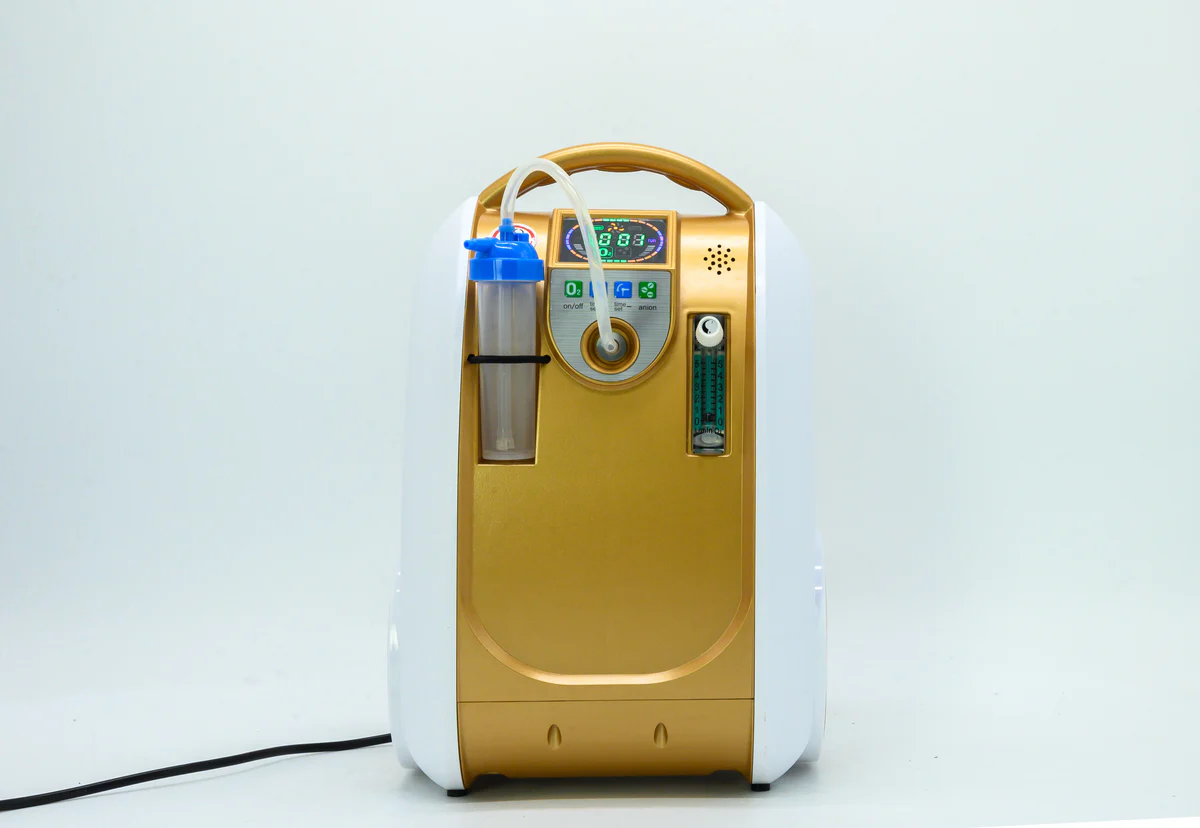
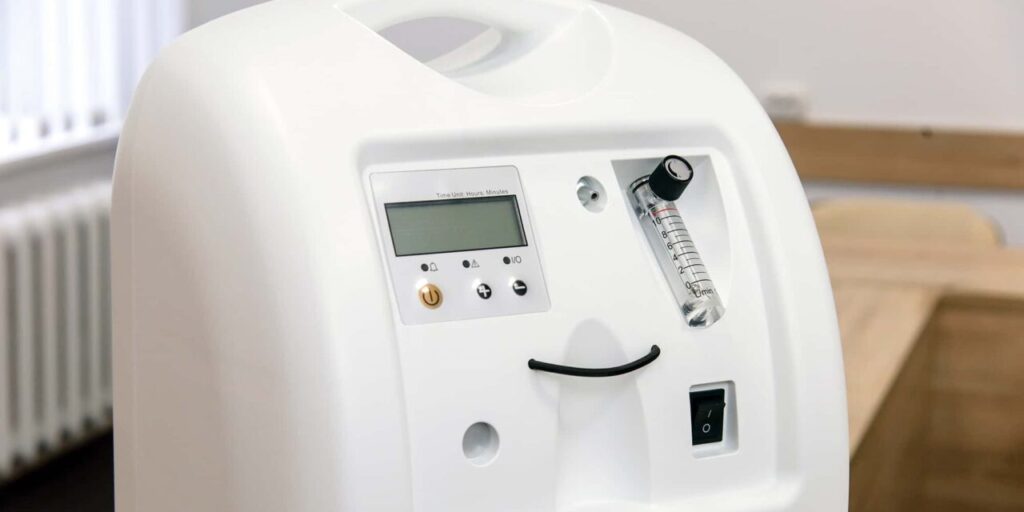
A stationary concentrator is usually the better fit for someone who needs oxygen mainly at home. It is larger, runs from mains power, and is often quieter per litre than a portable unit.
A portable concentrator suits people who need to move around, travel, or leave the house regularly. Portables trade size for battery dependence and can be more limited at higher flow rates.
Is continuous flow or pulse dose the right mode?
Continuous flow delivers oxygen at a set rate all the time and is often preferred for higher needs and some overnight use. Many portable models do not offer true continuous flow, or only at low levels.
Pulse dose delivers oxygen when the user inhales, which helps save battery and reduce size. They should ensure the pulse setting and sensitivity match the user’s breathing pattern, especially if they plan to use it while resting or sleeping.
What flow rate and purity should they verify?
They should verify the concentrator can meet the required litres per minute at the required mode. A unit that only reaches the target on paper but drops output at higher settings may not be suitable.
They should also check the specified oxygen concentration, commonly around 90% plus, and whether that level is maintained across the full operating range. If they are buying second-hand, they should ask for a recent purity test result.
How will it be used at night?
Night use raises practical issues quickly. They should confirm whether the device is approved and appropriate for sleep, whether it is stable in output at low breathing rates, and how noisy it is in a bedroom.
They should also check alarms, display brightness, and whether it pairs properly with the prescribed cannula and tubing length without triggering occlusion alarms.
What are the real running costs and maintenance needs?
An oxygen concentrator is not “set and forget”. They should check filter cleaning schedules, replacement intervals, and whether the supplier provides service plans or reminders.
They should also consider power costs for stationary units and battery replacement costs for portables. Batteries are consumables, and replacing them can be a major long-term expense.
Other Resources : Oxygen supplement for aged care
Does it meet Australian compliance and safety expectations?
They should look for evidence the unit is supplied for the Australian market, with appropriate electrical compliance and documentation. If a listing is vague, they should ask the seller to confirm compliance status and provide manuals and safety information.
They should avoid grey imports with unclear support, because repairs, parts, and warranty claims can become difficult.
What warranty and after sales support is actually included?
They should not assume “warranty” means local, fast, or comprehensive. They should confirm warranty length, who performs repairs, turnaround times, and whether loan units are available during servicing.
It is also worth checking how easy it is to source accessories like cannulas, humidifier bottles (if used), and compatible batteries from the same supplier.
Is the unit too loud, heavy, or inconvenient for daily life?
Specs can look fine, but daily use can fail on comfort. They should compare weight, handle design, carry options, and whether it fits in the places it needs to fit, such as beside a bed or in a car footwell.
Noise is equally important. If possible, they should ask for the decibel rating and read user reviews that mention real world bedroom or lounge room use.
What accessories and connectivity features matter, and which do not?
They should prioritise essentials first: a proper carry case, extra filters, a spare battery for portables, and a reliable charger. If the user travels, a car charger may also matter.
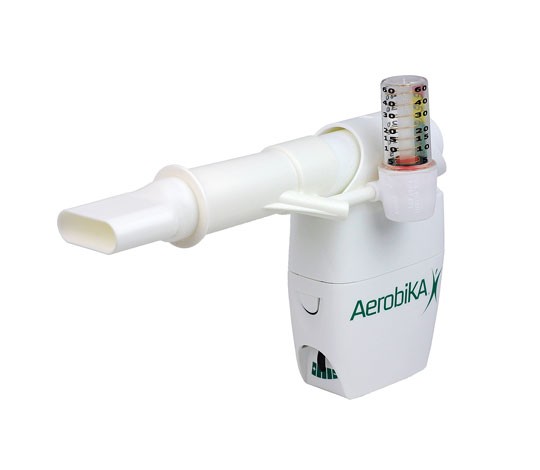
Apps, Bluetooth, and usage tracking can be helpful for some, but they should not outweigh core requirements like meeting flow needs, battery life, and service support. For practical guidance, you can read this overview on key things to know about using an Aerobika mucus clearance device.
What should they check when buying second hand?
If they are buying used, they should ask for total run hours, service history, and a recent oxygen purity reading. They should also inspect the casing, battery health, alarm function, and the condition of air intakes and filters.
They should be cautious with marketplace listings that do not show the model number clearly or refuse basic questions. A cheap price is rarely worth it if reliability is uncertain.
How can they compare sellers and listings confidently?
They should compare like for like: prescribed needs first, then mode, flow capability, battery performance, warranty, and service. Once those are matched, price becomes a useful tiebreaker rather than the main driver.
A good seller will ask about the prescription, explain limitations plainly, and provide written specs and support details. If a seller cannot, they are not the right place to buy from.
What is the simplest way to choose the right concentrator?
They should pick the smallest set of non-negotiables and refuse to compromise on them. For most buyers, that list is: meeting the prescribed oxygen delivery, being appropriate for intended use (home, portable, sleep), and having reliable Australian support.
Everything else is secondary. The right concentrator is the one the user can rely on every day, not the one that looks best in a listing.
FAQs (Frequently Asked Questions)
What should I check on my oxygen prescription before buying a concentrator?
Start with your prescription as it determines key features like flow rate (litres per minute), oxygen delivery mode (continuous or pulse dose), and usage timing (sleep, exertion, or all day). If unclear, confirm details with your treating clinician before comparing models.
How do I decide between a portable and a stationary oxygen concentrator?
Choose a stationary concentrator if you mainly need oxygen at home; these are larger, quieter, and run on mains power. Opt for a portable unit if you require mobility or travel frequently, but note portables depend on batteries and may have limited high flow rates.
What is the difference between continuous flow and pulse dose oxygen delivery?
Continuous flow delivers oxygen constantly at a set rate, suitable for higher needs and overnight use. Pulse dose provides oxygen only upon inhalation, saving battery and reducing size. Ensure the pulse dose settings match your breathing pattern, especially for rest or sleep.
How do I verify the flow rate and oxygen purity of a concentrator?
Confirm the unit meets your prescribed litres per minute at the required delivery mode without output drops at higher settings. Check that oxygen concentration is around 90% or higher and consistent across operating ranges. For second-hand units, request recent purity test results.
What factors should I consider for night-time use of an oxygen concentrator?
Ensure the device is approved for sleep use, maintains stable output at low breathing rates, and operates quietly in a bedroom environment. Check alarms, display brightness, and compatibility with prescribed cannulae and tubing lengths to avoid false occlusion alarms.
Why is Australian compliance important when purchasing an oxygen concentrator?
Australian compliance ensures the unit meets local electrical safety standards and support expectations. Confirm compliance status, availability of manuals, and safety information. Avoid grey imports lacking clear support to prevent difficulties with repairs, parts, or warranty claims.