
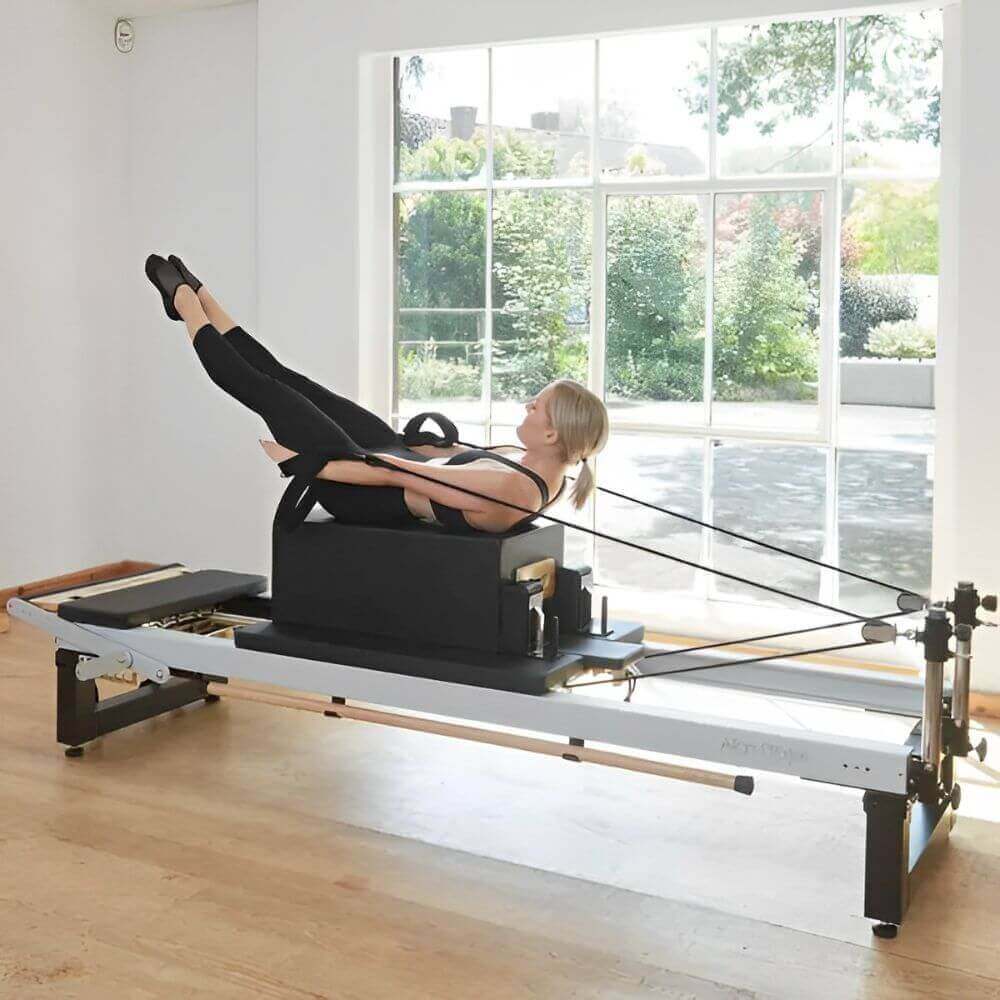
How Does a Pilates Box Expand What You Can Do on a Reformer?
They do not need to be advanced to benefit. A Pilates box can help beginners feel stable, and it can also help experienced movers find deeper strength, better alignment, and more range.
What is a Pilates box, and why do Australian studios use it?
A Pilates box is a padded, firm platform placed on the reformer to raise the body or support different positions. Australian studios use it because it adds setup options without needing a bigger machine.
It changes leverage, makes transitions smoother, and helps instructors coach cleaner technique. A Pilates box also creates a reliable surface for seated, side-lying, and kneeling work.
How does a Pilates box change body position on the reformer?
It changes the height of the pelvis, spine, shoulders, or feet, which changes how muscles load. That small change often makes an exercise feel completely different.
For example, seated work becomes more upright and precise, side-lying work can become more stable, and some hip exercises become easier to set up without strain. A Pilates box essentially gives them new “levels” to work on.
How does a Pilates box help with alignment and posture?
It gives a clear reference point for the pelvis and ribs, which helps them stack their body more accurately. With better stacking, they can feel which muscles should work, instead of gripping through the neck or lower back.
Instructors often use a Pilates box to reduce compensations in seated and kneeling exercises. It can also help them maintain a long spine while the carriage moves.
How does a Pilates box add challenge without adding heavy springs?
It increases range, changes leverage, and creates longer pathways for control. They might not need to crank up resistance to make an exercise harder.
A common example is adding height under the hips for short-box abdominal work or using the box for unsupported balance positions. A Pilates box can make slow, controlled movement feel significantly more demanding.
How does a Pilates box make seated reformer work more effective?
It raises them into a more functional seated posture, closer to how they sit and stand in daily life. That can make spinal articulation, rotation, and scapular control easier to feel.
Seated rowing variations, arm work, and rotation often become more comfortable and more challenging at the same time. A Pilates box helps reduce slumping and encourages length through the crown of the head.
How does a Pilates box expand side-lying and hip work?
It can support the waist, pelvis, or top leg so they can focus on glute control rather than stability stress. Side-lying series often improves when their trunk is well-supported.
Studios may use a Pilates box for side splits preparation, lateral hip strengthening, or controlled leg lifts with better alignment. It can also make it easier to keep the hips stacked, which many people struggle with.
How does a Pilates box improve short-box abdominal strength?
It gives them a stable platform to train deep trunk strength through flexion, rotation, and hinge patterns. The box helps them sit tall, find their sit bones, and control movement from the abdominals.
Short-box round back, flat back, side reach, and twist variations are classic uses. A Pilates box makes it easier to standardise setup, which is important for safe progression.
How does a Pilates box support back care and spinal control?
It can reduce strain by supporting the body where it needs contact and feedback. For some people, that support is the difference between “feels unsafe” and “feels controlled.”
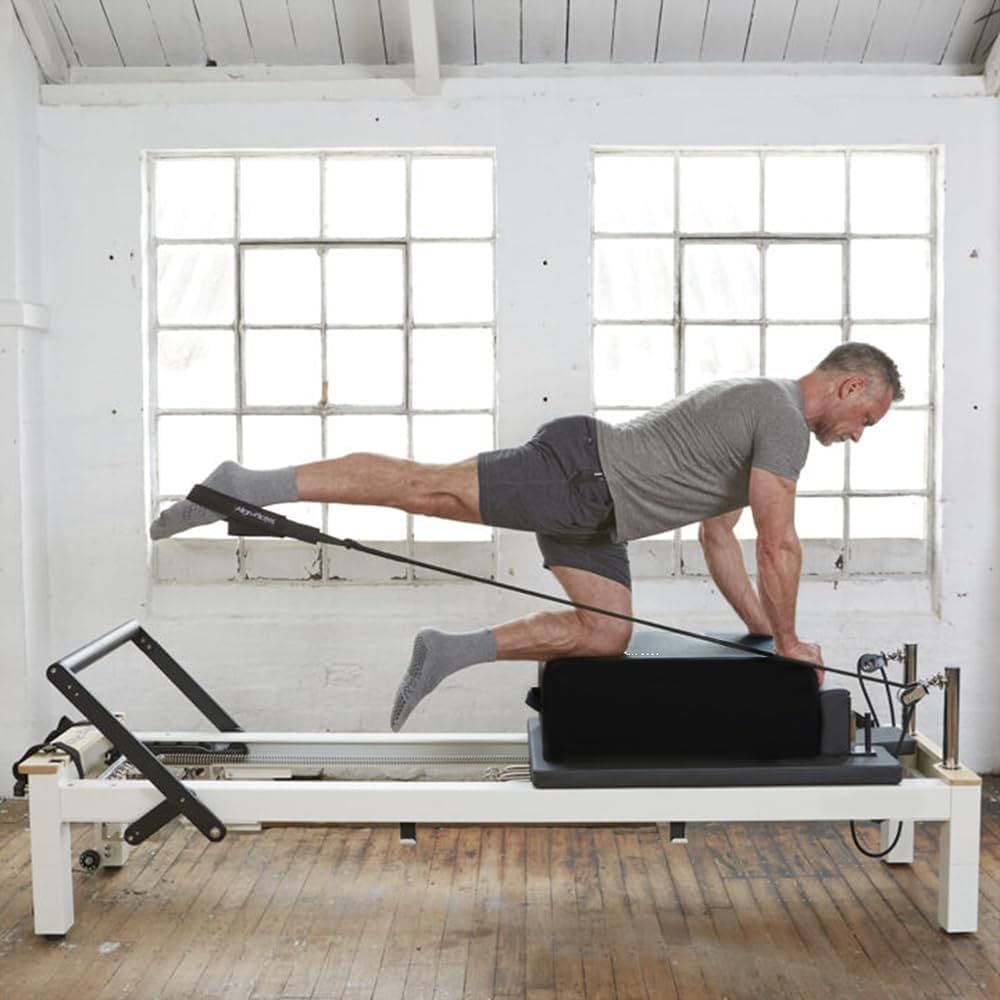
Australian instructors often use a Pilates box to modify range, keep the spine organised, and reduce gripping in the hip flexors. Understanding short box vs long box Pilates can also help practitioners choose exercises that encourage controlled spinal movement with less momentum.
How does a Pilates box help with hip flexor comfort and pelvic stability?
It can change hip angle and reduce tugging at the front of the hips during certain exercises. When the pelvis is supported or positioned better, they often feel more glutes and abdominals, and less hip flexor dominance.
A Pilates box is commonly used to improve comfort in seated series, some pike-style progressions, and specific leg strap work. The goal is usually cleaner pelvic control, not just “more effort.”
How does a Pilates box expand footwork and lower-body options?
It can be used as a target for step-ups, a platform for single-leg patterns, or a way to adjust joint angles for squats and lunges. That helps them train strength and control in more standing-like positions.
In a reformer session, a Pilates box can also support calf work, balance drills, and controlled unilateral loading. It is one of the easiest ways to make lower-body training feel more athletic without leaving the carriage.
How does a Pilates box assist balance, coordination, and proprioception?
It adds new surfaces and heights, which challenges how they organise their body in space. Even simple movements can become more coordination-based when the box is involved.
They might kneel on it, sit on it, or place hands or feet on it while the carriage moves. A Pilates box becomes a tool for balance skill, not just strength.
How does a Pilates box enable more advanced progressions?
It opens pathways to long-stretch style variations, deeper abdominal series, and more complex transitions. The box can act as a bridge between a basic version and a full version of an exercise.
For example, they may start with extra support under the hips or hands, then remove it later. A Pilates box lets them scale difficulty in a measurable way, which suits structured programming.
Who benefits most from using a Pilates box in Australia?
People new to reformer Pilates often benefit because it improves comfort, setup, and confidence. People with strong fitness backgrounds also benefit because it adds range, precision, and variety.
In Australian studios, a Pilates box is frequently used for office workers with stiff hips, runners who need glute strength, and anyone rebuilding control after time off training. It is usually about better movement quality, not just harder workouts.
What should they look for in a Pilates box for a home reformer setup?
They should choose the right size for their reformer and the style of training they do. Most people want firm padding, a stable frame, and a grippy surface that will not slide on the carriage.
They should also consider storage, especially in Australian apartments or smaller home studios. If they are unsure, their studio or an Australian reformer retailer can help match a Pilates box to the machine model.
How can they use a Pilates box safely during reformer sessions?
They should place it securely, keep springs appropriate for the exercise, and move with control during transitions. If it wobbles or shifts, they should reset it rather than pushing on.
Instructors often cue slower movement the first time they use a Pilates box, because the new height changes balance and leverage. If they train at home, a few coached sessions in an Australian studio can help them learn reliable setups.
What is the simplest way to start using a Pilates box?
They can start with seated arm work or basic short-box abdominal series, focusing on posture and breathing. Those options are straightforward and help them feel what the box changes.
From there, they can add side-lying hip work or step-up style patterns as confidence builds. A Pilates box works best when they treat it as a tool for better mechanics, not a shortcut to intensity.
What is the main takeaway about how a Pilates box expands reformer training?
It expands reformer training by changing angles, improving setups, and adding new layers of support or challenge. With one piece of equipment, they can train strength, mobility, posture, balance, and control in more varied ways.
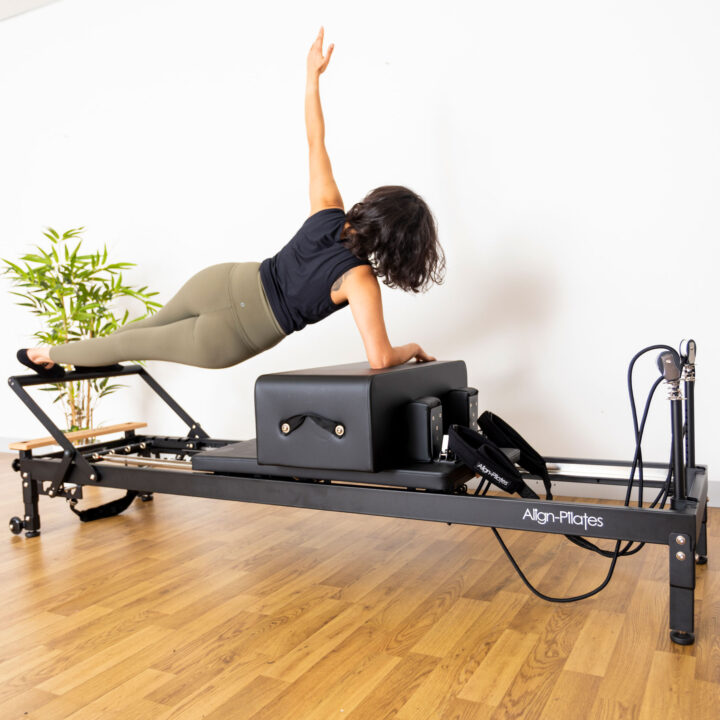
That is why a Pilates box shows up in so many Australian reformer classes, from beginner foundations through to athletic programming.
FAQs (Frequently Asked Questions)
What is a Pilates box and why do Australian studios use it?
A Pilates box is a padded, firm platform placed on the reformer to raise the body or support different positions. Australian studios use it because it adds setup options without needing a bigger machine. It changes leverage, makes transitions smoother, helps instructors coach cleaner technique, and creates a reliable surface for seated, side-lying, and kneeling work.
How does a Pilates box change body position on the reformer?
A Pilates box changes the height of the pelvis, spine, shoulders, or feet, altering how muscles load during exercises. This small adjustment can make an exercise feel completely different by providing new “levels” to work on—for example, making seated work more upright and precise or side-lying work more stable.
In what ways does a Pilates box improve alignment and posture during reformer workouts?
The Pilates box offers a clear reference point for the pelvis and ribs, aiding in accurate body stacking. This improved alignment helps engage the correct muscles instead of compensating through the neck or lower back. Instructors often use it to reduce compensations in seated and kneeling exercises and to maintain a long spine while the carriage moves.
How can a Pilates box add challenge to exercises without increasing spring resistance?
By increasing range of motion, changing leverage, and creating longer pathways for control, a Pilates box makes movements more demanding without needing heavier springs. For instance, adding height under the hips during short-box abdominal work or using the box for unsupported balance positions intensifies slow, controlled movements significantly.
What benefits does a Pilates box provide for seated reformer exercises?
Using a Pilates box raises you into a more functional seated posture that resembles everyday sitting and standing. This positioning facilitates spinal articulation, rotation, scapular control, reduces slumping, encourages length through the crown of the head, and often makes seated rowing variations and arm work both more comfortable and challenging.
How does incorporating a Pilates box enhance side-lying and hip strengthening exercises?
A Pilates box supports the waist, pelvis, or top leg during side-lying exercises so you can focus on glute control rather than stability stress. It improves trunk support for better alignment in side splits preparation, lateral hip strengthening, and controlled leg lifts. Additionally, it helps maintain stacked hips—a common challenge—enhancing overall effectiveness.
<script type="application/ld+json">
{
  "@context": "https://schema.org",
  "@type": "BlogPosting",
  "mainEntityOfPage": {
    "@type": "WebPage",
    "@id": "https://ibreastcheck.com/how-does-a-pilates-box-expand-what-you-can-do-on-a-reformer/"
  },
  "headline": "How Does a Pilates Box Expand What You Can Do on a Reformer?",
  "image": [
    "https://ibreastcheck.com/wp-content/uploads/2026/09/61FrgWV4LkL._AC_UF10001000_QL80_.jpg",
    "https://ibreastcheck.com/wp-content/uploads/2026/09/f994a774-8a82-4bf2-8eb4-ea44bc730fcc_2_1_1_1_1445x.jpg",
    "https://ibreastcheck.com/wp-content/uploads/2026/09/PAPBOXCURVE_5-720x720-1.jpg"
  ],
  "author": {
    "@type": "",
    "name": "Samuel Lawrence",
    "url": "https://ibreastcheck.com/author/admin/"
  },
  "publisher": {
    "@type": "Organization",
    "name": "I Breast Check",
    "logo": {
      "@type": "ImageObject",
      "url": "https://ibreastcheck.com/wp-content/uploads/2025/08/logo4.png"
    }
  },
  "datePublished": ""
}
</script>